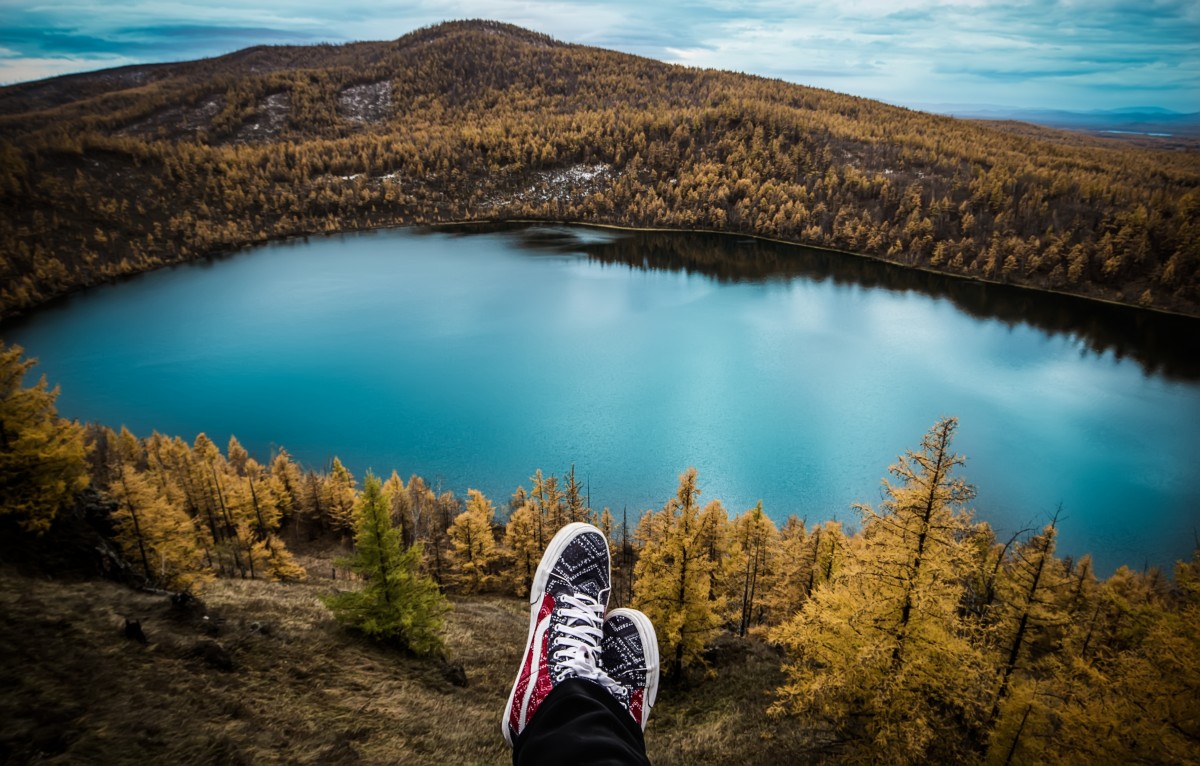
As a travel photographer, my camera is my companion, my storyteller, and my interpreter. But it also carries a profound responsibility. In the age of instant shares, it’s easy to chase the perfect shot without considering the impact. Ethical travel photography isn’t just about good composition; it’s about good conduct. It’s about respecting the people and places that make our images compelling.
Here’s how to capture the soul of a destination without compromising its integrity.
1. Ask for Permission (When in Doubt, Ask!)
- People: This is paramount. A photograph of a person is a profound interaction. Always make eye contact, smile, and gesture to your camera. A simple “May I?” (or the local equivalent) goes a long way. If they say no, respect it immediately and graciously.
- Children: Be extra cautious. It’s often best to get a parent or guardian’s permission. Avoid taking photos of children alone without adult consent.
- Private Property/Religious Sites: Look for signs or ask. Some places forbid photography, or have specific rules (e.g., no flash).
2. Engage Before You Enflame
- Build Connection: Instead of snapping a photo and leaving, try to engage first. Buy something from their stall, share a smile, or attempt a conversation (even with gestures). Your subject is a human being, not just a prop.
- Respect Sacred Spaces: In temples, mosques, or churches, be quiet, dress appropriately, and be discreet. Never interrupt rituals or prayers for a photo.
- Avoid Staged Poverty/Clichés: Do not exploit people’s circumstances for “gritty” photos. Be mindful of perpetuating stereotypes. Focus on genuine interactions and authentic moments, not manufactured drama.
3. Give Back (More Than Just a Photo)
- Share Your Work (If Appropriate): If you take a portrait, offer to send a copy if possible (sometimes a simple print on a small portable printer can be a powerful gift).
- Support Local: Buy from the vendors you photograph. Pay for a service. Your economic contribution is a tangible way of showing appreciation.
- Be Mindful of Impact: Don’t crowd, don’t block pathways, and don’t disturb the scene. Your goal is to be an observer, not a spectacle.
4. The Power of the Story (Beyond the Single Image)
- Your photographs are powerful storytelling tools. Use them to educate, inspire, and shed light on cultural nuances. Avoid reducing a complex culture to a single, easily digestible image. Aim for depth and context.
Great travel photography comes from the heart, not just the eye. It’s about respect, connection, and a deep appreciation for the world and its people. Capture the beauty, yes, but do so with conscience and care.