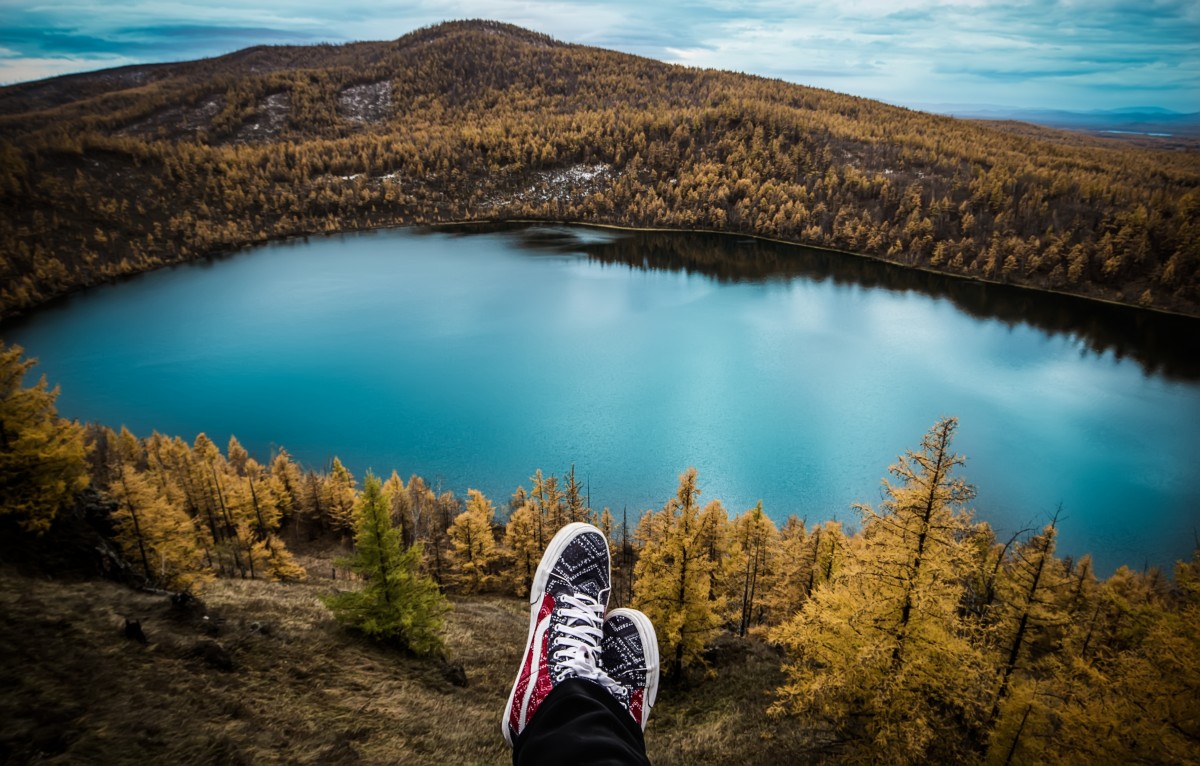
# Chasing Dawn: Sunrise Hikes That Hook You and How to Answer the Call
_By Elena Rodriguez_
There is a particular kind of hush that lives in the hour before sunrise. My headlamp cuts a narrow tunnel through pines as mist lifts from the meadow. Each breath smells like damp earth and thermal coffee. When the first summit glow leaks across the ridge, something unclenches — the world expands in color and patience. After one of those dawns, you start planning your life around sunrise times.
## Why sunrise hikes get under your skin
Sunrise is more than palette and pixels. In the blue hour, a place reorganizes itself: silhouettes sharpen, shadows lengthen, and the soundscape reboots. Birds that are shy by day call insistently. Farmers open a gate somewhere below. Trails you thought you knew reveal a scale and intimacy that daylight hides.
There’s also a localness to mornings. In small towns and mountain villages, the first people out are the ones who live here — shepherds, rifugio keepers, fishermen — and you get to see their rhythm before tourism wakes up. That access, quiet and provisional, is addictive.
## Routes to set an early alarm for
### Hirschhörnlkopf & Wallberg — Alpine clarity
I push up through a meadow rimed in night dew, hearing distant Alm bells. The ridge above lake reflections gives that classic Alpine geometry: serrated silhouettes, pasture, and an impossible clarity of air. If you time a pre-dawn approach from a lakeside trail or use an early cable-car hop, the payoff is calm water holding a mirror for the mountains. Tip: say guten Morgen if a farmer nods; it goes a long way.
### Vincenzo Sebastiani Refuge, Abruzzo — mountain culture and stone-smoothed light
On the trails above Caramanico I inhale limestone dust and the warm smell of polenta from the rifugio kitchen. Italian mountain huts are hubs — conversation, cappuccini, and a bowl of something slow-cooked when you return. Standing on a karst plateau as the first gold slides across grey limestone feels like being in an old film. Respect the communal space: remove boots if asked, buy a coffee, and linger for the second cup.
### Kern River, California — river corridors and desert-edge dawns
Dawn along the Kern is about edges: riparian meadows pinned between dry canyon walls. Songbirds embroider the silence while shafts of sunlight thread down into the canyon. Water crossings keep you honest and shaded willows offer mercy. It’s an easy, wild morning that feels intimate without demanding technical skills.
### Beehive Peak, Utah — off-the-beaten scramble
There’s a tactile pleasure to sandstone underfoot and the precise balance of a scramble at first light. Routes like Beehive Peak are less about marked trail and more about route-finding and respect for exposure. You need a topo and a steady head, but the vista — red bowls, distant plateaus, and the slow-laning colors of dawn — repays any nervous moments.
### Gjógv, Faroe Islands — cliffs, turf roofs, and ocean mornings
The Faroe dawn arrives as a brine-scented slap. Above Gjógv, turf-roofed houses crouch close to cliffs, and sea mist lifts like a curtain to reveal basalt columns and puffin-run ledges. Weather changes on a coin; waterproof gear and a windproof layer are non-negotiable. The cultural reward here is a hush that lets you watch island life preparing quietly: nets hauled, peat smoke, a dog barking once.
## Practical prep: how to make a sunrise hike work for you
– Scout by day. If you’re new to a trail, walk it in daylight first so you know footing, stream crossings, and time.
– Calculate backwards. Check sunrise time, add your approach time, and pad 20–30 minutes for slow snow, navigation, or photography stops.
– Headlamp and spares. A dependable headlamp and extra batteries are essential. Red light preserves night vision if you need to move quietly.
– Layers and windproofing. Temperatures can fall hard in the hour before dawn. Pack a light insulating layer and a waterproof/windproof shell.
– Fuel and hydration. Eat a compact meal before you start and carry calorie-dense snacks. Even cold mornings dehydrate you; bring water and a small filter if you expect refills.
– Navigation and safety. A map, compass or GPS is mandatory for remote or scramble-heavy routes. Tell a contact your ETA. For truly remote places, consider a satellite messenger.
## Be culturally and environmentally aware
Mountain huts and local communities are living systems. In Italy and Austria, observe quiet hours and respect communal rituals in a rifugio. In rural Europe, close gates and stick to paths; private land is private. On islands and coastal cliffs, avoid nesting bird colonies and fragile turf — these ecosystems are easily damaged.
Support local economies: buy a drink at the hut, eat where locals eat, and if you hire a guide, ask about cultural context as well as route safety. Leave no trace is not just etiquette; it’s common sense for places you want to return to.
## Photography tips (for the ‘gram, but better)
Shoot RAW if your camera allows — it preserves dynamic range. Expose for highlights so the sun doesn’t blow out, and bracket shadow/highlight differences when the contrast is high. Arrive early enough to watch the color shift; often the most subtle, haunting light occurs before the sun clears the horizon.
## Final takeaway
Sunrise hikes are invitations to a different tempo of travel: slower, quieter, and more attentive. Whether you chase alpine silhouettes above a lake, the smell of polenta at a rifugio, river light in a canyon, or sea-mist on an island cliff, the early hours teach patience and humility. Respect the people and practices that make these places live, pack for rapid weather changes, and start with a daytime reconnaissance. Dawn has a habit of calling back.
What morning place keeps tugging at your imagination, and how will you answer when it calls?