# Frames on the Road: How to Share Travel Views That Actually Matter
I’m sitting at a turnout above the Riviera, the sea a fractured mirror below. A fisherman’s boat is a bright sticker on turquoise; the road behind me hums with tires and a far-off conversation in French. The air tastes of sun-warmed salt and spilled espresso — the kind of small, exact detail that lodges in the memory and makes a photo worth keeping.
We live in an age where a single image can launch a thousand daydreams. But with feeds full of recycled postcards and platforms nudging communities toward better visuals, the real challenge isn’t just taking a photo — it’s composing a frame that earns attention and respects the place it comes from. This is a guide for millennial and Gen‑X wanderers who want their travel posts to carry memory, craft, and cultural curiosity.
## Why images come first
Pictures are instant translators: weather, mood, scale, and context arrive before words. A small, well-made frame can hand a viewer the smell of frying fish or the grit of a market cobblestone. Communities pushing for image-first posts aren’t gatekeeping — they’re asking for original eyes on the world, fewer link dumps, and more honest moments.
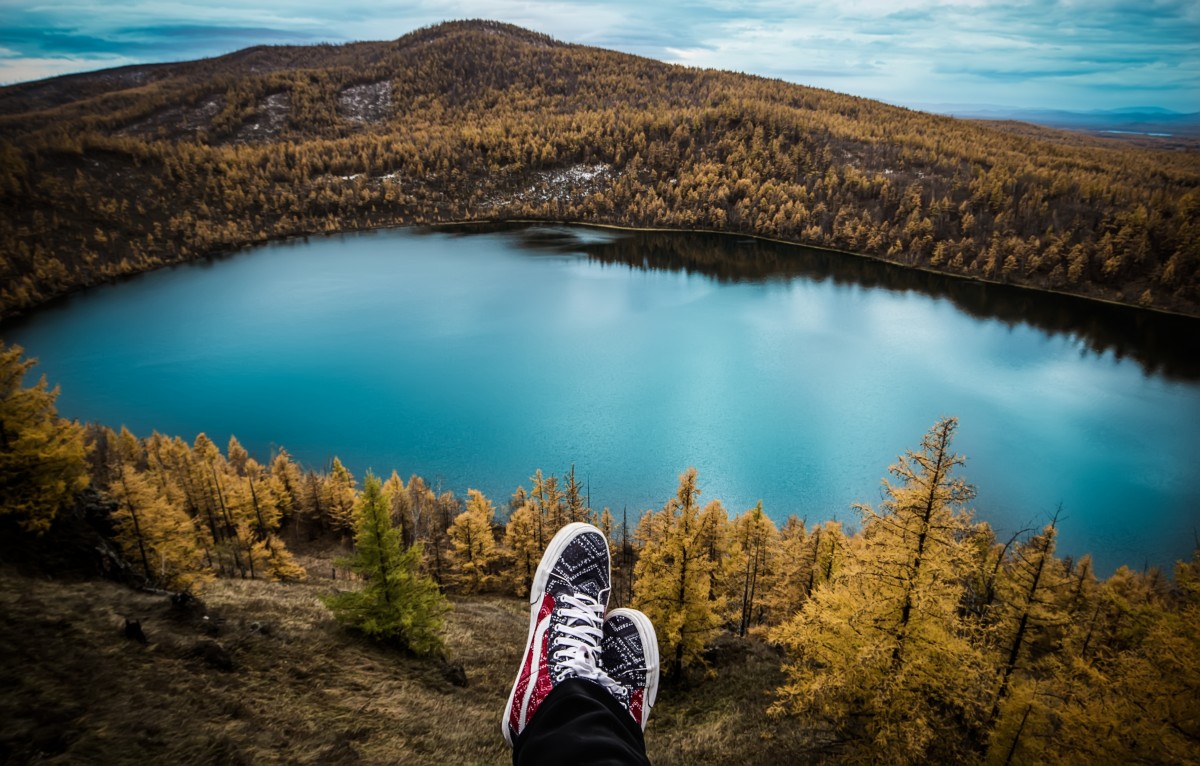
But don’t chase “pretty.” Photos that linger are specific. Instead of bookmarking a postcard sunset, show that same sun through a café window with a barista’s backlit hands; catch a vendor’s palm arranging spices; or let a mirror double the street scene. Those choices turn a quick scroll into a short journey.
## Telling a week-long story with single frames
If you’re chronicling “my view for a week,” plan an arc. Think of each day as a chapter.
– Choose an anchor motif — light, color, or an object — and let it reappear. Maybe it’s a chipped blue cup, the same hat, or a strip of morning light on a table.
– Alternate scale and intimacy. Pair wide coastal sweeps with close-ups of a weathered handrail or a café cup ringed with condensation.
– Capture time deliberately. Dawn and dusk aren’t just prettier; they mark passage. A sunrise on Day 1, a high-noon bustle on Day 3, a dusk stillness on Day 7 gives rhythm.
This keeps a feed cohesive and invites followers to slow down and follow a narrative across days, not just double-tap a single moment.
## Driving the Riviera: photograph a moving landscape
There’s a reason the Côte d’Azur is on every dream‑drive list: sun, sea, cliff-road drama. Driving and shooting reward intention.
– Safety first: pull over when you want to compose. A safe turnout transforms a hurried snapshot into a memorable frame.
– Use a foreground to anchor speed. A guardrail, a dashboard corner, a blurred palm — these elements show motion and distance.
– Chase the light. Golden hour softens cliffs, deepens Mediterranean turquoise, and turns terracotta into molten color. Backlight silhouettes palms and trawlers into cinematic punctuation marks.
– Shoot multiple focal lengths. Wide for landscape storytelling; short telephoto to compress cliffside villages into a mosaic.
Scent note: on the Riviera you’ll smell diesel and citrus, sunscreen and frying garlic. If your caption can name one of those, the image lands richer.
## Bridges: more than engineering
Take Oluk Köprü or an old Ottoman crossing — a bridge is both a physical crossing and a cultural seam. When you photograph bridges, balance architecture with human context.
– Read the lines. Bridges are geometry — leading lines pull viewers through the shot.
– Include who uses it. A shepherd, a vendor, a commuter — people show how a structure lives.
– Mind the approach. Sunrise, noon, and night will make the same bridge behave like three different characters. Pick the mood that suits your story.
Cultural detail: call a small market stall not just “cute” but name the item being sold — simit, gözleme, or dried figs — and you give the viewer a tactile hook.
## Lisbon on an XT50: city photography with heart
Wandering Lisbon with a compact mirrorless like the XT50 gives you a nimble toolkit for street work.
– Embrace the azulejos. These tiles are visual shorthand for the city — use them for texture and pattern against human subjects.
– Aperture play: use smaller apertures when you want trams and tiles sharp together; open up for portraits masked by sunlit alleys.
– Listen to the city. The tram bell, a vendor’s call, or a distant fado line is an unseen layer that makes a still image feel alive. A short caption that hints at the soundscape will deepen the moment.
– Respect privacy. If your shot centers strangers, blur faces, ask permission, or offer to share the photo. A simple “Posso tirar uma foto?” goes a long way.
Practical tip: keep the XT50 in a soft case slung across your shoulder for quick, non-threatening shots. Handheld shots at 1/125s or faster will freeze a tram bell’s motion without fuss.
## Posting with respect and intention
A great photo can spark curiosity, but how you share it matters as much as how you took it.
– Follow platform rules. If a community asks for images-only, don’t subvert that. Contribute your best imagery.
– Credit and context. Tag local creators, name neighborhoods, and add a line about what the scene meant to you. Cultural context enriches a simple frame.
– Think twice about geotagging. Exact coordinates can expose fragile ecosystems, private households, or sacred sites. Use a general area for sensitive locations.
– Be honest. Don’t stage or misattribute scenes. Authenticity builds trust — and the kind of following that values what you share.
– Sustainably minded: spend money locally when a vendor invites you to a shop, and consider tipping photographers or guides if they help you compose.
## Takeaway
Travel photos are small acts of translation: you are handing someone a doorway into a place and moment. Make it count by shooting with curiosity, posting with respect, and crafting a narrative across images rather than clutter. Whether perched above the Riviera, crossing an ancient Turkish bridge, or trailing Lisbon’s trams, keep the road beneath you and the people around you at the center. Pack light, shoot thoughtfully, and let your images wander with purpose.
Where will you frame your next question for the world — and whose voice will you carry with it?