
# Out Alone, Not Lost: A Solo-Travel Playbook for Holiday Runs, Road Trips and City Breaks
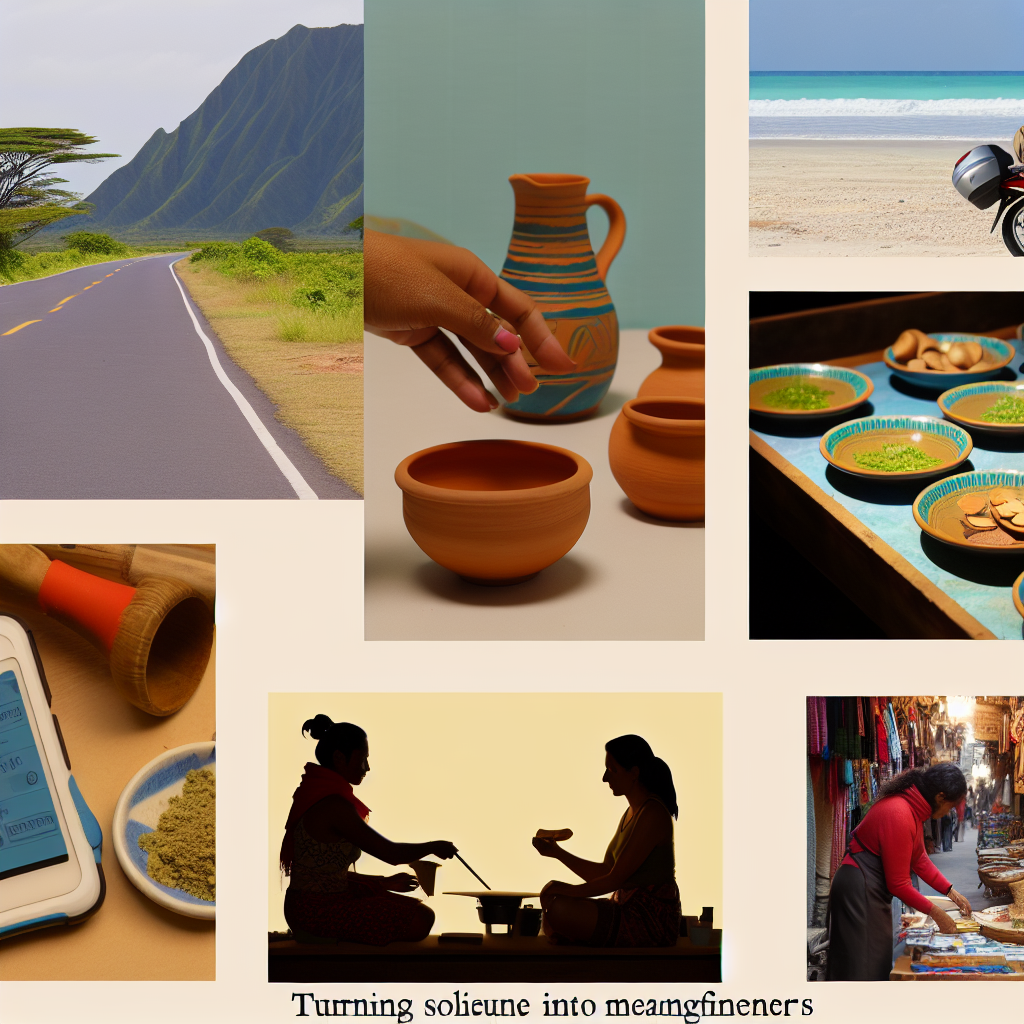
I arrive at dawn to a market that smells like wood smoke and fried plantain — kelewele sizzling, fish laid out on woven trays, women calling prices in Fante and Twi. A tro‑tro coughs down the street and a child presses a hand to my knee as if they’ve known me for years. That instant — when the city is still waking and the conversation is only just beginning — is why I travel alone. There’s a sharp clarity to being solo: color saturates, sounds sharpen, and the small acts of asking directions or ordering a bowl become invitations rather than errands.
Below are the ways I marry planning with curiosity so that holiday runs, long road trips and quick city breaks all feel like rooms I can enter fully prepared and open.
## Find your people — and your base
Solo travel isn’t solitary by necessity. Start with the communities that gather around places, not just places themselves. Local noticeboards in cafés, Facebook neighbourhood groups, and regional subreddits are goldmines for meetups, pop‑up dinners and walking tours. Hostels still lead for first-night ease; a bunkroom conversation is an easy way to test the waters of a new city. But boutique guesthouses, co‑living houses and hosted homes‑meals (think an evening of jollof and conversation in Accra or a family braai outside Cape Town) invite deeper exchange.
Choose accommodation with social intent. A guesthouse with a shared kitchen or a co‑working lounge makes introductions incidental. If you prize independence, a well-located Airbnb in a safe bairro or quartier gives you the option to slip quietly back into your own rhythm. Around holidays, book early — seasonal menus, concerts and local tours fill fast.
## Timing and holiday travel realities
Holidays rearrange a place’s personality. Cities with Christmas markets or Carnaval pulse; small towns may shut their shutters. Decide which kind of energy you want. For spectacle, plan logistics early and buy tickets ahead. For calm, seek islands, lesser-known barrios, or villages where traditions are intimate and unmediated by tourist itineraries.
Practical tip: build a ‘holiday contacts’ note on your phone — opening hours, emergency numbers, and one local number you can message for a last-minute question. A local SIM or international data plan is cheap reassurance.
## Getting around — cars, buses and smart navigation
Renting a car scrambles time in a good way: you can pause where the map gets quiet, chase sunrise over a coastline, or detour to a farmhouse market. But car freedom demands respect: research routes, avoid night driving on unlit roads, and stash valuables out of sight. Keep digital copies of documents and plan fuel stops on long stretches.
In cities, public transit plus walking is my default. A good pair of shoes and a municipal rail map can teach you more than a tour ever will. For late nights, use vetted ride services or your accommodation’s recommended taxis. Bike rentals and guided walking tours are low‑risk ways to meet people and learn the lay of the land.
## Meeting locals — safe, authentic ways
Seek activities where locals gather: a community mercado, a ceramic studio, language exchanges, or a Sunday football match. Food is the easiest portal — join a cooking class, book a family dinner, or stand at a market counter and let the vendor feed you a sample. These exchanges are often small and human: a shared plate, a laugh, a corrected pronunciation.
Safety caveat: always meet in public places, tell someone your plan, and follow your instincts. Group day tours are an excellent low-pressure way to meet companions who are also curious and time-limited.
## Eat like a local (yes, even when you have big‑budget energy)
The truest flavor of a place rarely lives in the postcard restaurants. Ask your host, barista or bus driver where they eat. Try regionally anchored dishes — a spicy jollof in West Africa, a Cuban arroz con pollo in Miami’s Little Havana, a Cape Malay curry in Cape Town — and treat food as an education.
If budget allows, splurge on one chef’s table or tasting menu that foregrounds local producers. That meal becomes a lesson in seasonal ingredients and cultural continuity.
## Regional snapshots: quick inspiration
– Miami: Base yourself in a walkable neighborhood with transit access. Swap a day on South Beach for Wynwood’s mural alleys, a cafecito in Little Havana, and a slow drive through Everglades mangroves. Watch parking rules and winter festival crowds.
– Accra: Markets, the coastline, and lively street-food vendors are the city’s heartbeat. For solo female travellers: prefer daylight wandering in busy districts, use vetted ride services after dusk, and choose eateries brimming with locals.
– South Africa: A Johannesburg-to-Cape Town loop offers mountain passes, vineyards, and coastal cliffs. Avoid night driving in rural stretches, carry small amounts of cash between towns, and book well-reviewed or gated lodgings when possible.
## Safety essentials and cultural respect
Good habits expand your freedom. Share your itinerary with someone at home, carry copies of important documents, and keep a basic first‑aid kit. Learn a few phrases — a simple ‘medaase’ in Ghana, ‘baie dankie’ in Afrikaans, or ‘gracias’ — goes far in showing respect. Read up on local customs so curiosity doesn’t become clumsy.
Also, travel sustainably: hire local guides, buy from market vendors rather than multinational chains, and choose accommodations that treat staff fairly. The small economic choices you make ripple through the communities you visit.
## The practice of presence
Travel alone to be present rather than to be alone. Allow for idle hours — a market that refuses to be rushed, a ferry ride with windows open to salt and diesel, a bench where you can watch a ritual unfold without needing to capture it. Journal a few lines at the end of each day; memory will prefer the feeling over the itinerary.
When loneliness arrives (and it will, sometimes), give it space. Take a quiet morning, hop into a small-group activity, or message a new acquaintance from a recent hostel or class. Loneliness is often the prelude to a story worth telling.
## Takeaway
Solo travel is a practice in curiosity and courtesy. Plan the scaffolding — bookings, safety checks, transport basics — then leave space for the incidental: a vendor who teaches you a family recipe, a detour that introduces you to a seaside hamlet, a bus conversation that becomes a friendship. Respect the people and places you visit, travel in ways that benefit local communities, and keep your expectations elastic.
Where on the map will you go alone, and what small, surprising lesson do you hope it will teach you?