# Frames on the Road: How to Travel, Photograph, and Share the Places That Stick With You
There’s a difference between collecting places and carrying them with you. One fills a feed; the other changes how you move through the world. I remember a morning on the Côte d’Azur when the road unraveled like a ribbon of light: a convoy of cars, an orchestra of gulls, and the smell of diesel and orange groves that made each bend feel like a new chapter. From that winding convoy to the quiet sweep beneath a Turkish bridge and a week-long view that becomes a slow companion, the best travel moments beg to be looked at, not just captured. Here’s how to slow down, make images that mean something, and share them responsibly.
## Why images still matter
A photograph is shorthand for memory — a way to fold light, weather, and the tang of salt or spice into a single instant you can return to. But photos are not neutral: they can invite curiosity, or they can flatten context into clickbait. For those of us who grew up with disposable film and learned the grammar of the postcard, the answer isn’t to stop sharing. It’s to be deliberate.
Choose images that show process as much as place: the line of fishermen mending nets, not just the glinting harbor; the hands rolling yufka in a Turkish courtyard rather than a staged platter. Those frames become mini-maps of experience — useful, generous, and true.
## Coastline in motion: driving the Côte d’Azur
There’s a theatrical quality to driving the Côte d’Azur: sunlight ricochets off limestone cliffs, turns reveal pastel façades and hidden coves, and the road itself reads like narrative. When you’re behind the wheel, presence matters. Pull over to feel the air, to listen to the water, to walk a lane in a village rather than photograph its facade from the roadside.
Technique tip: use movement sparingly. A slow-shutter frame of a hairpin turn (try 1/15–1/60s, panning with the car) conveys motion; a tight, quiet crop of a sun-bleached steeple or a laundromat strung with zaftig linens can communicate where you were emotionally. Alternate those approaches so your visual stream reads like a story, not a catalogue.
Practical tip: scout a spot, then wait for the light and the local rhythm. A café owner sweeping their doorstep at 6 p.m. will tell you more than a thousand superwide selfies.
## Bridges and the stories they hold: Oluk Köprü, Turkey
Bridges are not just engineering; they are stage sets for daily life. Oluk Köprü — an old stone bridge where valleys narrow and the world feels small enough to listen — is repeatedly reshaped by weather, by who passes over it, and by what people carry. Here, the bridge is a crossing for goats, a shortcut for schoolchildren, a vantage for fishermen at dawn.
Photographing a place like this demands patience and permission. Observe: when do traders cross with vegetables? When do elders sit and tell stories? A frame that includes context — a nearby tezgâh (market stall), a child on a bisiklet (bicycle), a pair of fishermen casting at dawn — carries far more narrative than a postcard panorama.
Cultural note: köprü means bridge in Turkish; learning words like this opens conversations and signals respect.
## Lisbon frames: a camera and a city
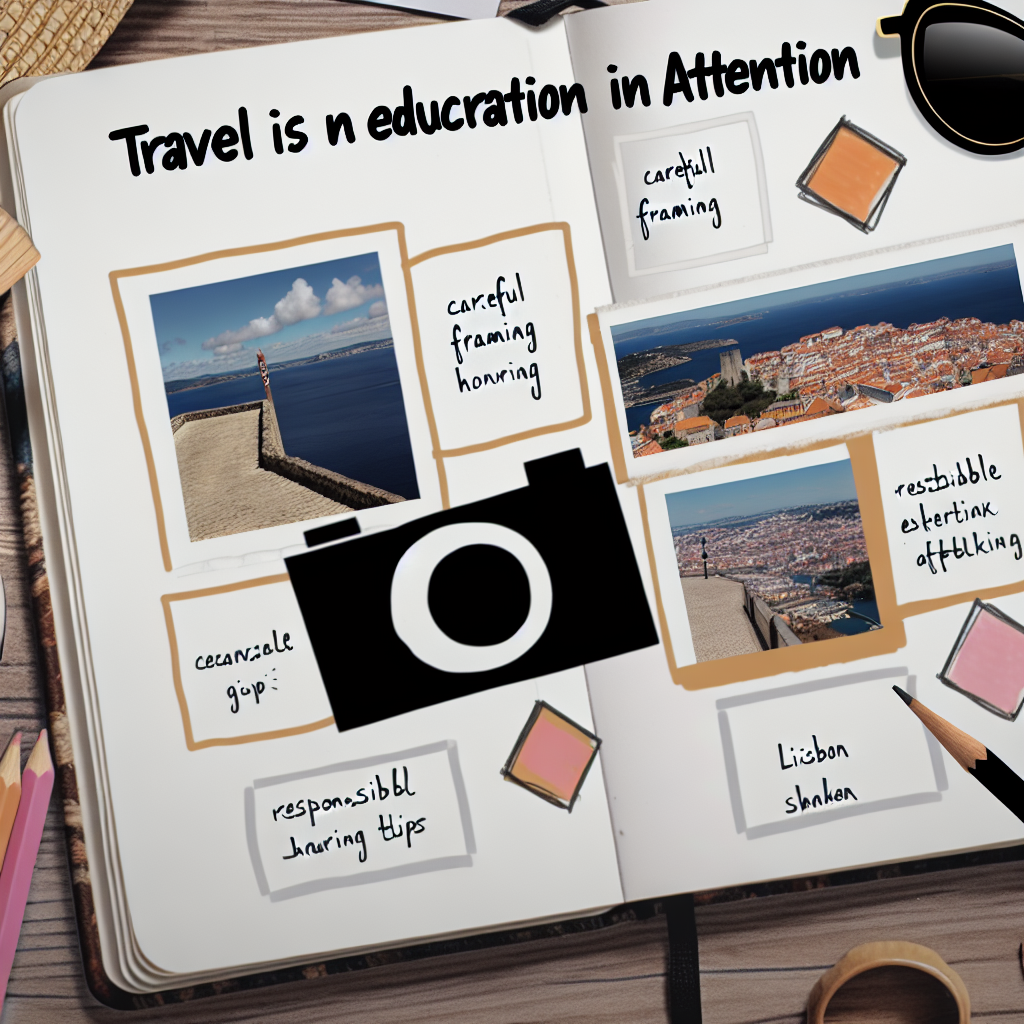
Lisbon is the kind of city that rewards a quiet camera. Trams groan up steep streets, azulejos tile façades in crystalline blue, and viewpoints where the Tagus unfolds feel less like backgrounds and more like invitations. Travel light: a compact mirrorless — the XT50 or similar — encourages patience. Its quick autofocus and crisp mid-tones make it easier to wait for the moment when a silhouette or a laundry-lined alley says everything.
Technical tip: shoot in RAW when you can. Lisbon’s dusk has delicate oranges and river blues that survive better in raw files, where you can pull the shadows and retain nuance. Compositionally, favor intimacy: a doorway with worn paint, a hand on a tram pole, a pattern of clotheslines. These are the frames that transport.
## Rooting for a week: the value of staying put
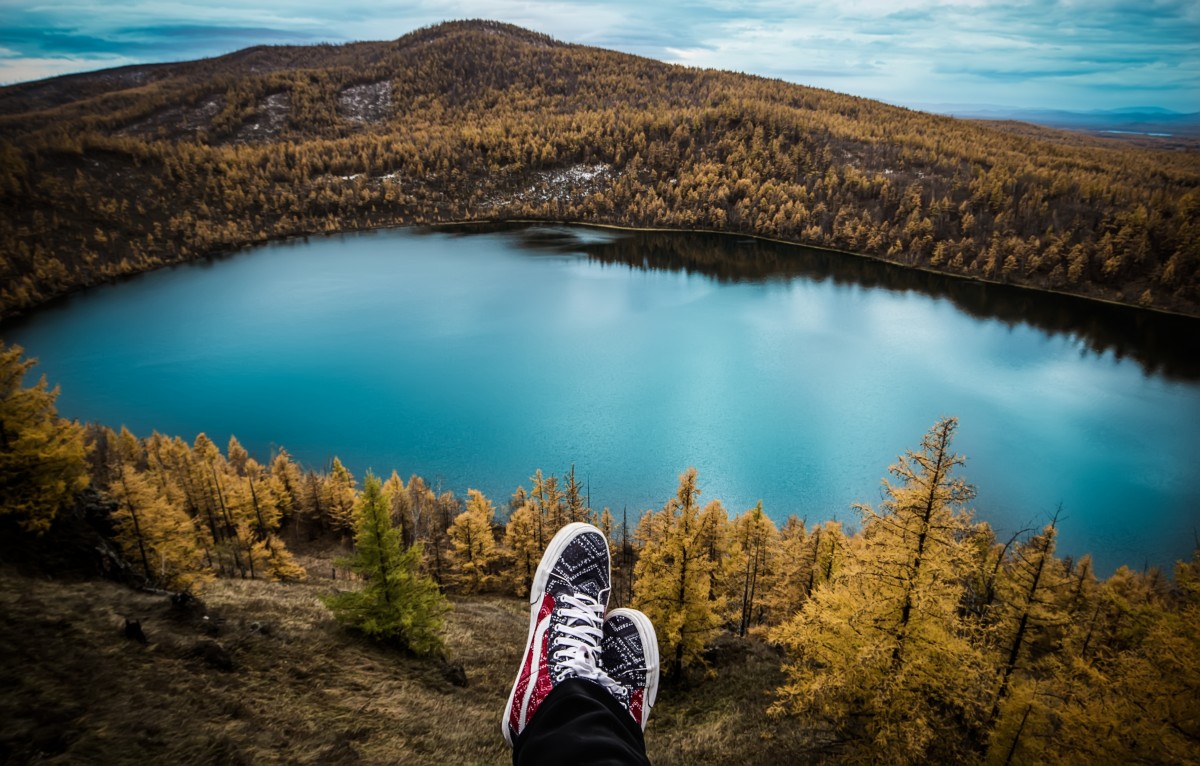
A “view for a week” is an active decision. Spend seven days with one vista and you learn how weather, light, and human rhythm redraw it daily — market carts at dawn, a late-afternoon hush, the neighbor who hangs curtains only on Thursdays. That depth shows up in pictures that sequence: start with an establishing shot, then move to particulars — a window, a meal, a routine.
If you want to share that depth online, think like a storyteller. Start with a wide frame to set place, then offer three to five intimate details across several posts or a single gallery. Use captions to explain why you returned to the same spot; people respond to narrative arcs as much as to pretty images.
## Share smarter, not louder
There’s a lot of noise out there. Platforms and communities are tightening rules to filter spam and protect space for meaningful exchange — a sign that people value authenticity. When you post, avoid link-saturating feeds and anonymous reposts. Attribute local creators, credit guides, and respect platform rules about image use.
Consider hosting a few large, high-quality images on a reputable photo platform and link thoughtfully. Better yet, craft an in-platform gallery or a short zine that encourages lingering rather than scrolling past. A single, well-sequenced set invites the viewer to stay longer than ten scattered frames ever will.
## Cultural courtesy and environmental care
Travel photography is a privilege. Honor that with small, concrete gestures: learn a few words of the local language, ask permission before photographing faces, and follow Leave No Trace principles. Tip vendors fairly, buy from local cooperatives, and avoid images that commodify or exploit.
Sustainable tips: carry a reusable water bottle, offset travel thoughtfully, and seek accommodations that employ local staff. These choices keep places accessible for the people who call them home.
## Final takeaway
The road rewards curiosity and restraint in equal measure. Make images that invite questions instead of demanding attention. Stay a little longer, frame more thoughtfully, and share with the kind of care you’d want for your own neighborhood. What view would you stay with for a week, and what would you learn by looking more closely?