# Canyon Calls and Mountain Mornings: How to Plan Bold National Park Trips — Even When Things Are Uncertain
The parks are magnets: red cliffs that glow like embers at sunrise, alpine lakes mirror-flat beneath a strip of cold blue, and slot canyons that make sound behave differently — softer, closer, as if your footsteps belong to the walls. But lately the rhythm of services has a staccato beat: ranger programs scaled back, restrooms closed for repair, shuttles running on limited hours. To answer the call you don’t just need wanderlust; you need curiosity, patience and a respect that shows up in the small choices you make.
Below is a compact playbook I carry on the road — practical questions to ask, nuts-and-bolts tips for Zion, Grand Teton and the Grand Canyon, and a sense of cultural awareness that turns logistics into a more meaningful trip.
## Before you go: check, adapt, repeat
Start where the information lives. National Park Service pages, official park social feeds, and local visitor-center accounts are the fastest mirrors of reality: gate times, shuttle status, trail closures. If local guides or visitor groups host a “megathread” or consolidated updates, bookmark it — change can happen overnight.
Plan for partial services. That means bringing extra water, a small trash bag, and the expectation that ranger-led programs might not run. If your plans hinge on a permit or a guide, consider travel insurance — or at least a flexible backup. Small redundancies (an extra headlamp battery, a printed permit copy) save days.
## Ask smart questions — help others help you
If you’re crowdsourcing advice, give the essentials so answers are useful:
– Where are you coming from? (regional travel options change logistics)
– Drive or fly? (rental-car versus shuttle details differ)
– Lodging style: campground, backcountry, lodge, hotel?
– Total days, including travel?
– Who’s traveling? Ages, mobility, tolerance for camping or rough trails?
– Must-see items: sunrise overlooks, wildlife, peak summits?
– Hike preferences: distance, elevation gain, difficulty tolerance?
Short answers to those questions turn vague tips into tailored plans.
## Zion: vertical light and quiet reflections
You step into Zion and sound compresses — the canyon narrows, light becomes a sculptor. Walk the Riverside Walk first to acclimate; the river’s smell, a mix of cold stone and riparian green, feels like an invitation. If you wade the Narrows, neoprene socks and canyon sandals become extensions of your feet. The water is a mirror for the sky until it isn’t, and then it’s all motion and current.
Angels Landing delivers vertigo and sky. If that’s on your list, know permit rules and plan for the exposure: early starts, steady footwear, and no heroics when tired. Shoulder seasons and weekdays reveal quieter corners; flash floods can erase planning, so check weather and water-level reports the morning you go.
Small note: nearby Paiute communities (Southern Paiute / Nuwuvi) are part of the land’s story. Visit local visitor centers, ask about cultural exhibits, and seek out Indigenous-run experiences when possible.
## Grand Teton: alpine mornings and slow-moving wildlife
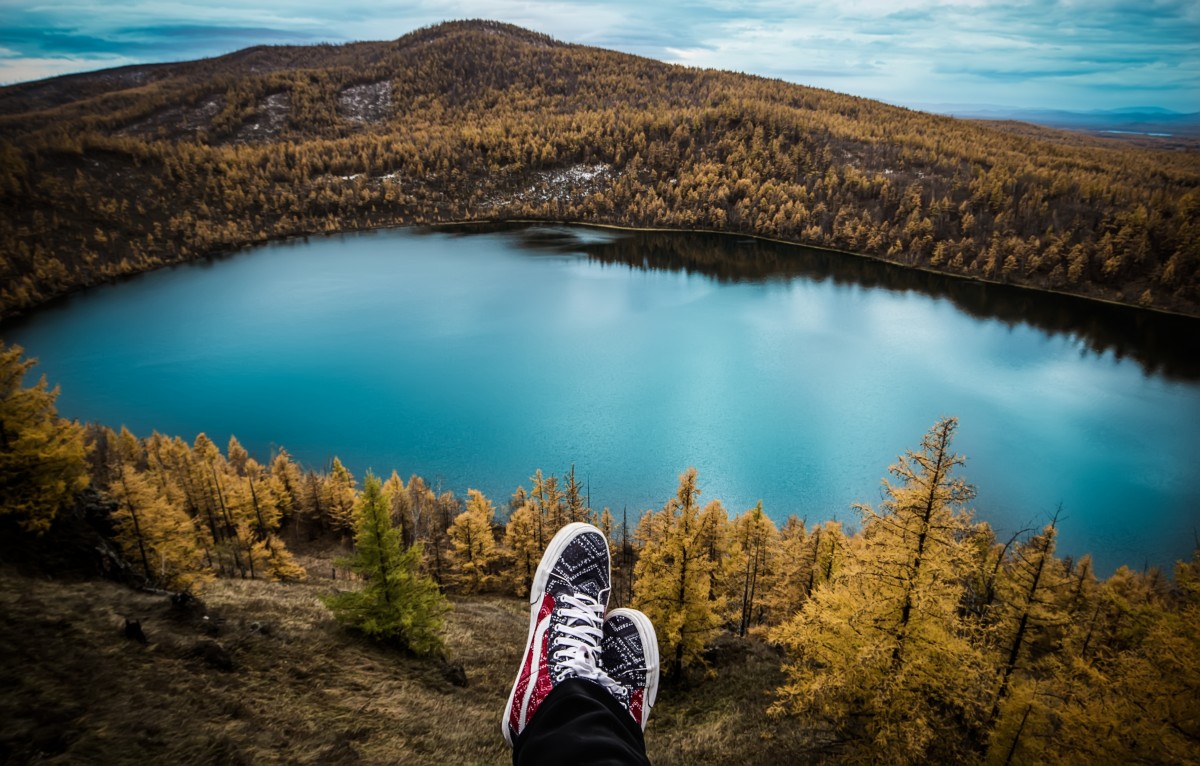
A Teton dawn is a breath you can see: fog lifting off String Lake, the first sun stitching gold into the ridgeline. Solo travelers find a particular kind of solitude here, but mountain weather and wildlife demand respect. Dress in layers — high baselines of warmth, low tolerance for wind — and practice bear-aware habits: food sealed, meals stowed, bear spray accessible and practiced.
Choose hikes to match your rhythm. Lakeside loops offer quiet contemplation; ridge climbs offer vistas where the valley spills like a painted map. Mid-September brings larch hints and quieter trailheads, but also shorter service windows for shuttles and lodges. Reserve backcountry permits early and leave an itinerary with someone who will notice if you don’t return on time.
Engage with local guides in Jackson and nearby towns: they hold stories about the place — wintering elk grounds, traditional uses of willow and sage — that deepen a simple view into an entire ecology.
## Grand Canyon: rim rituals and deep-canyon respect
On the rim the air tastes thin and copper-sharp. Sunrise is a ritual; the canyon is a shifting theatre of shadow that hums with heat and silence. Day hikes are tempting because the trail drops quickly and beautifully, then reminds you on the climb back how much work you’ve asked of your legs. Plan water caches or emergent water strategies, start before first light when possible, and obey turnaround times.
Bright Angel and South Kaibab offer graded challenges and unforgettable viewpoints. If you aim to go deep, secure permits in advance or consider a mule trip or guided descent if logistics aren’t your thing. Above all, honor the canyon’s Indigenous stewards — Havasupai, Hopi, Hualapai, Diné (Navajo) and others — by seeking Indigenous-led experiences and buying from local artisans and businesses.
## On-the-ground ethics: land, people, and local economies
The parks sit on ancestral lands. Learn whose territory you’re visiting and look for ways to support Indigenous-owned enterprises and cultural centers. Local guides and community-run tours are more than conveniences; they are living context, and your dollars help people who have long histories with these landscapes.
Leave No Trace is a practice, not a hashtag: pack out trash, keep respectful distances from wildlife, and avoid rearranging stones or building cairns that fool other hikers. If restrooms or trash service are limited, carry that responsibility home. Hospitality goes both ways: be a thoughtful guest.
## Practical tech and packing tips
– Download offline maps and save route PDFs; cell service is a luxury in many canyons and alpine bowls. Keep a printed map or permit copy.
– Canyon kit: neoprene socks, canyon sandals, quick-dry layers, microfilter or tablets for water, and a small dry bag for electronics.
– Mountain mornings: layering system, insulated jacket, headlamp, and a compact first-aid kit.
– Backcountry essentials: file your trip plan with a friend, carry a backup power cell, and consider a small satellite communicator if you’re going far from roads.
– For changing services: bring extra cash for small local purchases when card machines or ATMs are down.
## Takeaway
The national parks still astonish. When services ebb and flow, the trick is to travel with curiosity, prepare for friction, and choose routes that match your ability and intention. Seek out conversations with local people, support Indigenous and community-run enterprises, and let the land’s pace recalibrate your own.
When the canyon calls or a mountain morning catches you breathless, what kind of traveler do you want to be — hurried and photo-focused, or present, curious, and quietly responsible?