# Five Streets, Five Moods — Night Lights and Quiet Alleys for the Curious Wanderer
There are cities that shout and those that whisper. Some nudge you toward a late-night bar; others invite a hushed stroll beneath a castle’s glow. I travel for texture more than ticking boxes, and these five streets — each a different pace, palette, and sound — have a way of rearranging the small things in my suitcase and larger things in my head. Travel here is less about seeing the famous view than about feeling the air, hearing the footfalls, and sitting at a counter until someone next to you offers a local tip.
## Rain-Soaked Romance: Québec City
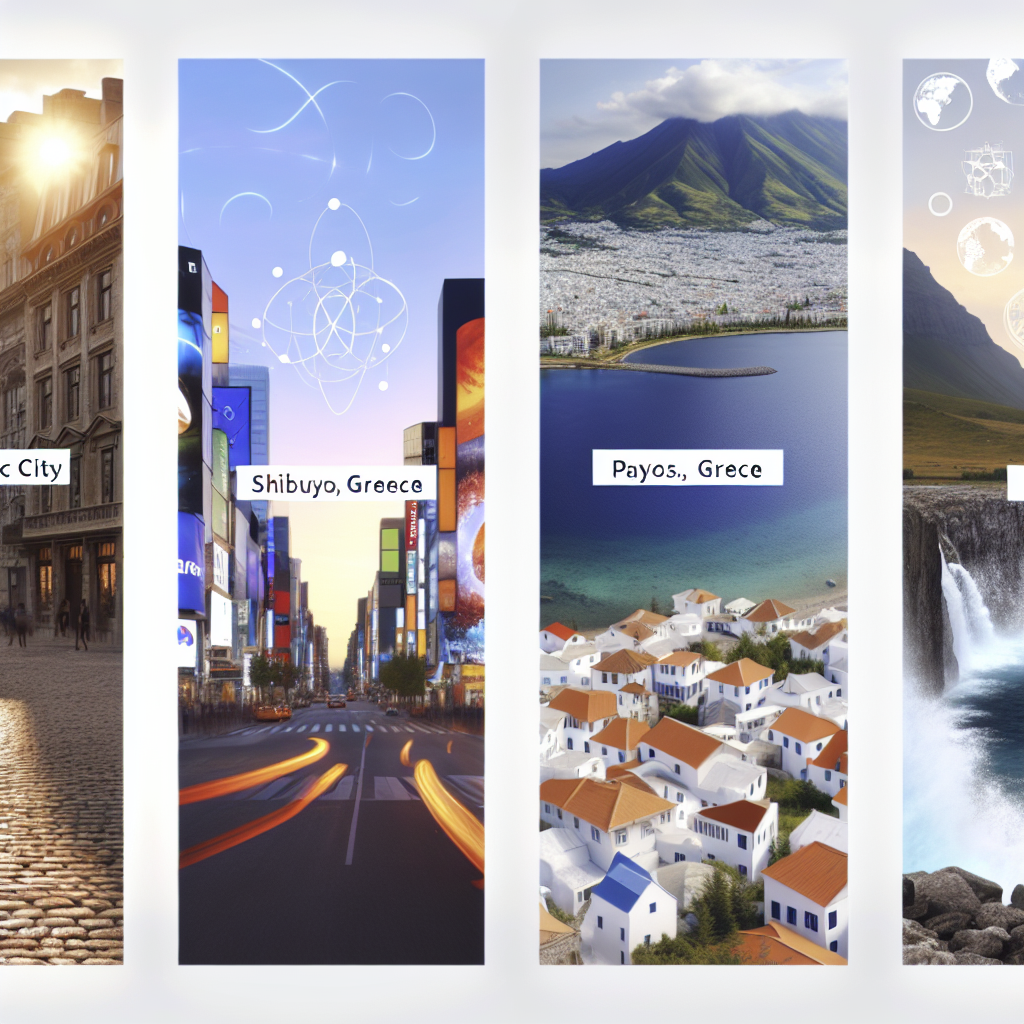
I arrive as the sky lets fall a soft, cold rain that makes the cobbles gleam like dark glass. The lamps along Rue Saint-Louis smear halos on the flagstones; steam rises where exhaust meets the cold. It feels cinematic because it insists on story: an arched doorway, a shop window fogged with heat, a château silhouette across the river that refuses to be ordinary.
Why go: For evenings that feel curated. I tuck my collar up, find a window table in a tiny bistro, and warm my hands around a mug of mulled cider while listening to a couple rehearsing an old argument in French. The city is intimate enough that you can eavesdrop on history.
Local flavor: Order poutine the way locals insist you should — rich gravy, squeaky cheese curds — and then a bowl of soupe à l’oignon. Walk the fortifications at dusk; the view over the St. Lawrence is a lesson in blue and amber.
Practical note: Pack layers and a waterproof jacket. Autumn filigrees the city with festivals but removes the summer crush; if you want character, choose a B&B run by someone who will give you directions that involve stories.
Cultural moment: On a rainy afternoon I find an elderly woman knitting on a bench near the cathedral. She corrects my French gently, then points me to a tiny gallery where a young Inuit artist is showing prints. Travel here becomes a conversation, not a checklist.
## Neon Ballet: Shibuya, Tokyo
Shibuya moves like a live film. The crossing is an organized chaos of umbrellas and fashion; neon and LED walls pulse like the city is breathing. Alleyways slice the sheen of the main drag into pockets of private life: izakayas with stools worn smooth, record shops smelling faintly of dust and green tea, tiny boutiques that carry decades of local style.
Why go: For being held in the friction of other people’s rhythms. I step into an izakaya, take the bar seat, and let the chef point out which skewer to try. Conversation is minimal but warm; respect and modest curiosity open doors.
Local flavor: Tonkotsu ramen that coats the back of your throat, yakitori kissed over charcoal. Learn a few phrases — arigatō and sumimasen go further than you think — and carry cash for the places that prefer it.
Practical note: Public transit is a marvel; plan your transfers. If photographing, be subtle: this is lived space, not a stage. Move slowly in alleys — you will find a second-city beneath the neon.
Cultural moment: A salaryman shares his umbrella with me after a sudden shower. We exchange a few words and a laugh. That small civility feels like a lesson in how cities can make strangers gentle.
## Aegean Walks: Paros
Paros is sunlight slowed to a comfortable pace. Whitewashed houses squat against blue like an argument between sea and stone. Bougainvillea spills color over steps; the alleys are narrow and uneven and generous with shade. Here, wandering is an activity with no defined end.
Why go: For unhurried afternoons and the delicious obligation to do nothing. I rent a scooter and follow the coastline, stopping wherever the smell of frying fish promises a better lunch than the map.
Local flavor: Grilled fish served with lemon and a fist-sized heap of sea salt, a salad with local mizithra or feta, and a glass of crisp assyrtiko. Seek out small workshops where artisans throw clay or braid sandals — purchases here are stories as much as souvenirs.
Practical note: Summer gets busy; aim for shoulder seasons. Bring comfortable shoes and a reusable water bottle — shade is generous but intermittent.
Cultural moment: An old fisherman invites me to try taramasalata he makes himself. We sit on a low wall, the harbor clinking, and he tells me about storms and grandchildren. The food is better for the company.
## Lakeside Quiet: Lugano, Switzerland
Lugano smells of espresso and lake spray. Palm trees line the promenade, and the mountains keep the pace polite. The city feels like an invitation to slow down: a gallery, a café, a park bench where time is measured in pastry bites.
Why go: For restorative days where the agenda is optional. I drift from a modern art show to a trattoria where risotto is an event, not a side dish.
Local flavor: Ticinese cuisine folds Italian comfort into Swiss restraint — polenta, risotto, and excellent chocolate to close. Take the funicular for a view that rearranges your sense of scale.
Practical note: Public transport runs on schedule; if you rent a car, mind the parking rules. Bring a light scarf for evenings over the water.
Cultural moment: At an artists’ market I strike up a conversation with a potter who explains how the lake’s clay tastes different at various depths. I buy a small bowl; it becomes my travel talisman.
## Elemental Reykjavík
Reykjavík is a town that keeps one foot in the city and the other in an untamed landscape. Colorful houses huddle against black lava fields and the steam from geothermal plants rises like a reminder that the earth here is alive.
Why go: For contrast — warm cafés and festivals followed by glaciers and hot springs. I taste fresh langoustine one evening and then, the next morning, sit in a mineral-blue pool watching the horizon rearrange itself.
Local flavor: Start with an Icelandic pylsa — the hot dog is a local rite — then move on to lamb or fish at a restaurant that emphasizes seasonal, local sourcing. Seek out less-touristed pools for a more social, less commercial experience.
Practical note: Weather is famously fickle; layers win. Book popular excursions in advance, but leave space in your schedule for sudden detours to a waterfall or a black-sand beach.
Cultural moment: A guide on a small-group hike shows me how to read moss patterns to find shelter from wind. The knowledge feels ancient and immediate all at once.
## How to Travel These Moods
– Pack for contrast: a raincoat, swimwear, sturdy walking shoes, and a compact daypack.
– Slow down: let an alley or a café set the day. Decisions made while wandering often lead to the best discoveries.
– Mind local customs and languages: a few phrases and simple courtesies open doors.
– Choose sustainable options: visit local workshops, use public transit where possible, and leave no trace in fragile places.
Takeaway
The roads less wandered aren’t always empty — often they’re simply moving at a different tempo than your own. From Québec’s amber-lit alleys to Shibuya’s neon choreography, Paros’s sun-struck lanes, Lugano’s lake-breathed calm, and Reykjavík’s elemental crossroads, each place asks you to adjust your pace, your senses, and your expectations. Pack light, bring curiosity, and let the city change you a little. Where will you let the streets teach you how to move?