# When Landscapes Speak: Five Natural Icons That Recalibrate the Way You Travel
There are moments on the road when everything else falls away — the engine idles, the phone sleeps, and the view pulls you into a breath you didn’t know you needed. I remember a late‑afternoon climb up to Horsetooth Ridge, wind smelling faintly of dry grass and sandalwood smoke from a nearby campfire, when the prairie below seemed to exhale and the ridge’s teeth caught a sudden slant of light. Those are the places that don’t just look good in a photo; they change the way you travel.
Below are five scenes that do that work: they ask you to slow down, consider the people who have stewarded the land for generations, and plan visits around light, weather, and humility.
## Horsetooth: A Rocky Sentinel Over the Plains (Colorado)
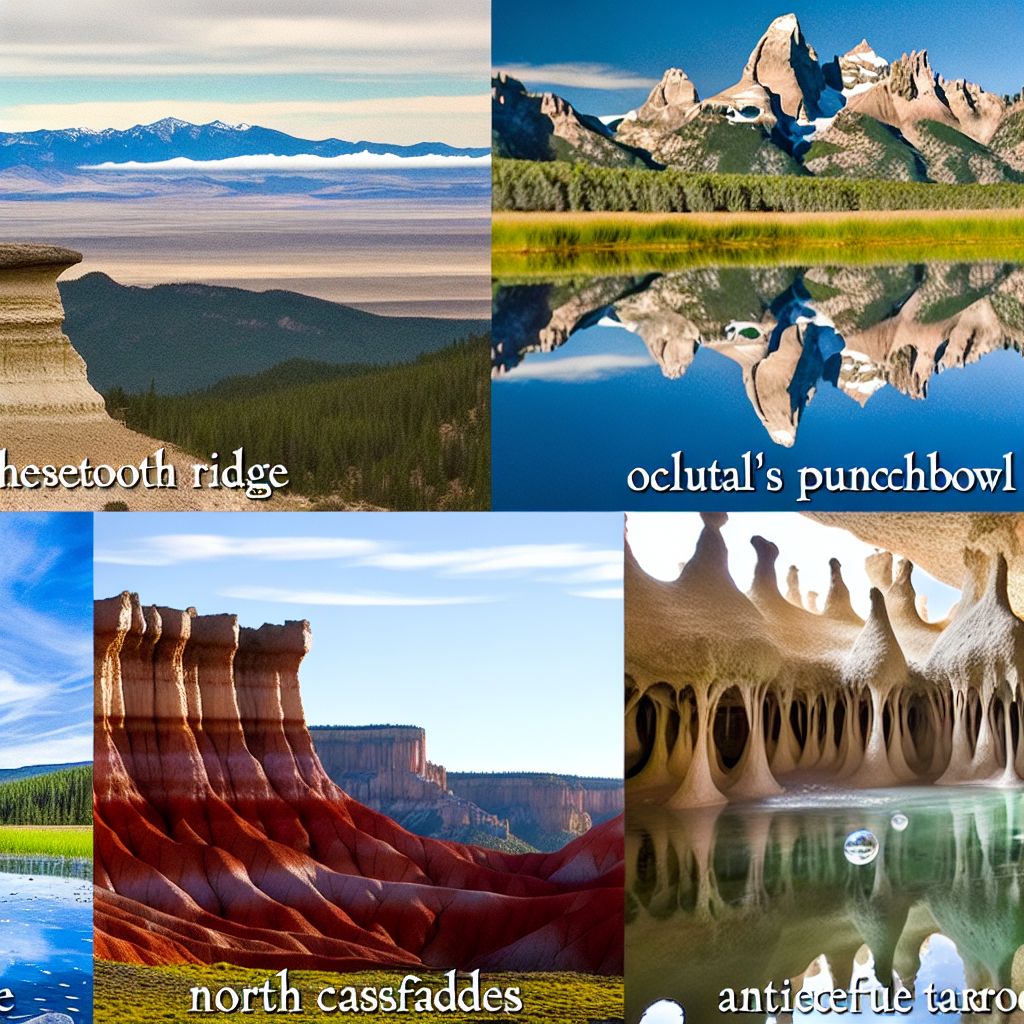
Horsetooth’s jagged silhouette watches over a widening college town like a patient sentry. Late afternoon, clouds pile up in the west and the ridge becomes a stage for shadows: spires like teeth, cliffs catching bronze, and prairie grass waving in soft rhythm. Underfoot, the trail alternates between loose scree and packed dirt; the air carries the distant hum of trucks and the intimate, bright chirp of western meadowlarks.
Visit smart: pick a route that fits your pace, and leave time to sit. The changing shadow play is a slow show; the best frames arrive when you’re willing to linger. On busy weekends, aim for pre‑dawn or weekdays to find parking and a sunrise to yourself. Acknowledge that this land sits within the ancestral homelands of the Arapaho and Cheyenne — take a moment to learn about those histories at a local museum or interpretive sign.
## Devil’s Punchbowl: Where Ocean and Stone Argue (Oregon Coast)
On the Oregon coast the sea keeps its own hours. Devil’s Punchbowl is a wave‑cut amphitheater where the Pacific hurls itself against rock, and the ocean writes a new punctuation mark every hour. Spray tastes of salt and cold; gulls argue in loops above the bowl while wind tugs at your jacket. Sometimes the water pours and vacuums in hypnotic cycles; other days it slaps and roars, throwing glints of light like coin in a fountain.
Composition tip: go low with a wide lens to foreground slick, seaweed‑streaked rock. Bring a light waterproof layer — spray is part of the scene — and watch tides change the composition hour by hour. Respect signage and local knowledge: coastal rock is fragile, and the water is less forgiving than it looks. Support nearby coastal towns by buying from local cafés and galleries — those dollars fund stewardship.
## North Cascades: A Study in Depth and Layers
The Cascades are a lesson in verticality. Early mornings here are like reading a layered map: the nearest ridge is paper‑sharp, the middle peaks soften, and the farthest summits dissolve into a bluish whisper. Air here tastes like pine and glacier melt; the sound is often silence, interrupted only by the call of a raven or distant water.
How to get the look: find a viewpoint with unobstructed sightlines at dawn and be patient. Light comes in stages, and each one reveals a different mood. A mid‑length telephoto compresses layers into a chorus; a wide lens shows scale with a lone cedar or talus field as foreground punctuation. A local guide will point you to access that honors private land and tribal stewardship, and can share place names in Lushootseed or other regional languages — small acts of respect that matter.
## Mirror Lakes: When the Ground Becomes a Mirror (Aotearoa / New Zealand)
In Aotearoa, sheltered tarns can become perfect mirrors: a still lake that flips mountains into an upside‑down world. Mornings smell of damp earth and mānuka blossom; the light is cool and forgiving. When the air holds, the surface becomes a plane of glass and you watch the horizon fold over itself.
Morning etiquette: arrive before wind wakes and keep conversation low. These basins are fragile — stay on paths, and remember a single tossed rock or thoughtless footprint can bruise a shoreline for seasons. Learn local place names and the stories attached to them (many sites are taonga — treasures — for iwi). Buying from nearby marae cafés or guided walks helps sustain the communities that keep these places alive.
## Bryce Canyon: An Orange Cathedral of Hoodoos (Utah)
Bryce’s amphitheaters are a kind of geological liturgy. Hoodoos rise like carved columns in a dense, sun‑lit forest of orange and rose; light sculpts them into ribs, staircases, and narrow windows. At golden hour the canyon becomes incandescent — shadows cut deep like ink between pillars, and the air warms with the scent of dry sage.
Trail sense: descend into the amphitheater to meet hoodoos at eye level, then climb the rim for the full, staggered panorama. The high desert sun is quick to test you: sunscreen, a wide brim, and steady hydration are non‑negotiable. Acknowledge that this land is part of the homelands of Paiute peoples — seek out Paiute‑led tours or cultural centers to learn the human story beyond the rocks.
## How to Chase the Moment (Without Erasing the Place)
– Time your trip around light, not just a rigid itinerary. Sunrise and sunset do more for a scene than any guidebook angle.
– Travel slow. Park, get out, and sit. The most memorable frames arrive when you linger and listen.
– Pack for comfort and respect: layers, a refillable water bottle, a small trash bag. Leave No Trace is not aspirational — it’s essential.
– Support local economies: stop for coffee, buy park‑made crafts, and book local guides. Those dollars help maintain access and conserve landscapes.
– Acknowledge the human story. These scenes occupy ancestral and contemporary homelands. Learn a little about the people who stewarded these places long before they were photographed.
## Practical Gear Notes
You don’t need a fancy kit. A competent mirrorless or DSLR and a versatile 24–70mm will cover most frames. A sturdy tripod elevates reflective and low‑light work. A polarizer will deepen skies and manage glare, but remember — reflections sometimes want a clean mirror, not maximum polarization. Comfortable boots, sun protection, and a voice tuned to listening will serve you better than one more lens.
Final takeaway: the places that pull at us — rocky teeth on a plain, a bowl punched into a coastline, layered alpine silhouettes, glassy lakes, or a forest of sandstone pillars — do the same work: they interrupt routine and demand attention. Travel to see them, yes, but travel to be changed a little by them. Slow down, tune in, and leave them as you found them — so the next wanderer gets the same small, vital shock of wonder.
Where will you go next to let a landscape change the way you breathe?