
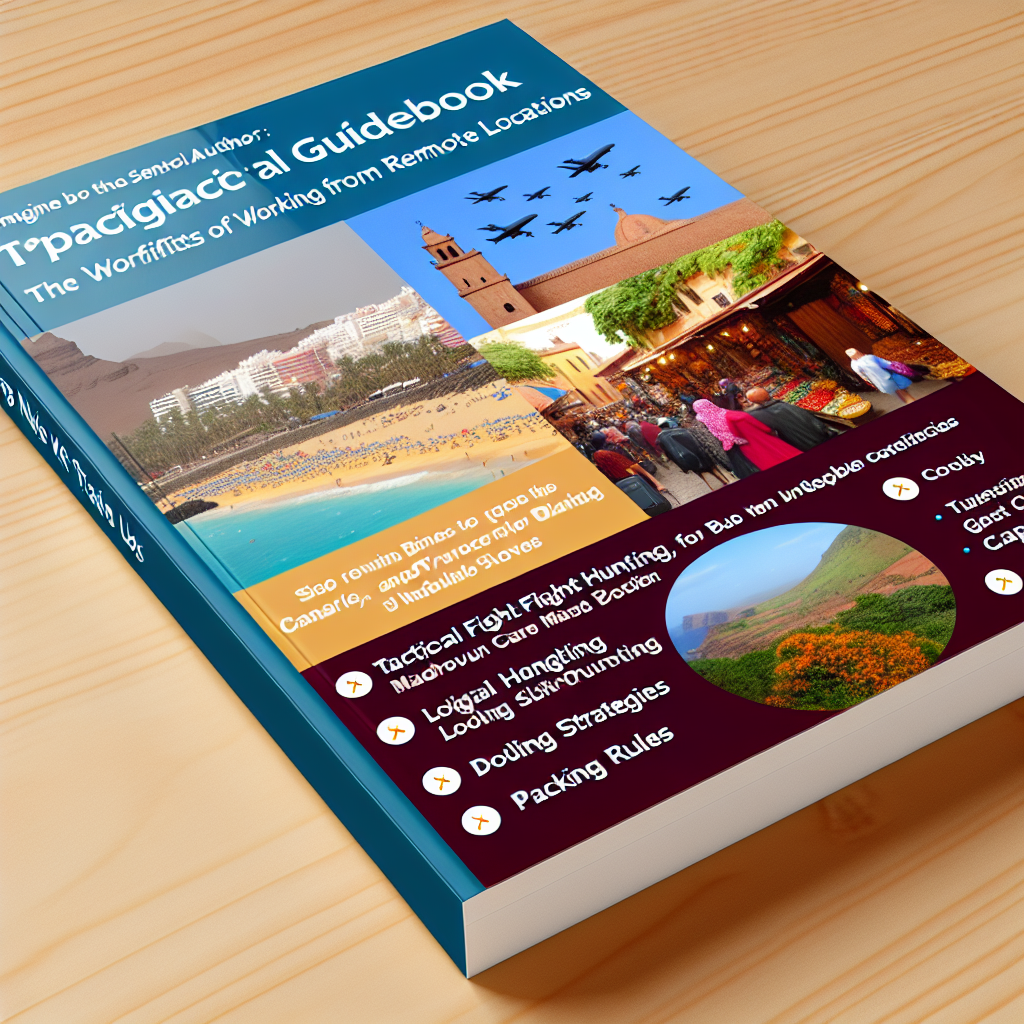
# Flight Hacks, Flexible Stays, and Warm December Escapes — A Practical Playbook for the Roaming Remote Worker
I arrive at the small terrace just after sunrise: the Atlantic breathes warm across the basalt cliffs, a fisherman hauls a line that glitters like a necklace, and the café across the square is already filling with the smell of warm bread and strong coffee. My laptop hums beside an espresso — the kind of morning that makes remote work feel less like a job and more like an unfolding travel story.
You’ve got the freedom; now own the logistics. Cheap flights are only half the battle. Where you sleep, how you carry your gear, and which mistakes you sidestep will decide whether a month on the road is dreamy or a logistical mess. Below are tools and on-the-ground strategies — seasoned with sensory moments and local color — to keep your sanity (and your budget) while you chase better light.
## Hunt the fare like a pro
Start with research, then buy smart. I scan Google Flights first for fast calendar views and fare alerts; it gives me the sense of price rhythm. Skyscanner and Kayak are my go-to when I’m open-ended — their “Explore” or “Everywhere” features turn destinations into possibilities. For messy multi-city routing, ITA Matrix is a cold, brilliant engine: powerful and unforgiving, but it finds creative routings that aggregators miss.
Tactical moves to save cash and stress:
– Set fare alerts early and watch how prices move; international fares tend to plateau 3–6 months out, while domestic seats can spike in the last 21/14/7 days.
– Check nearby airports — a 90‑minute drive can shave hundreds off a ticket. Think outside the big hub.
– Use aggregators for research, then book on the airline’s site for better customer support if plans change.
– Try region-changing your browser or a VPN only as a last-resort trick; results are hit-or-miss.
## Beware of the agency trap
Third-party sellers like Kiwi, eDreams or Opodo sometimes underprice risk. If something is cheap because the agency eats the risk, guess who gets stuck when flights change? Use OTAs to find options, but buy direct whenever possible. That direct line to the airline is worth the slightly higher price when weather, strikes, or rebookings happen.
## Where to stay when you’re remote
I’ve spent winters in coastal guesthouses and summer months in tiny mountain hamlets; the right lodging can turn workdays into a life. Mix and match to keep costs down and life interesting:
– Monthly or extended Airbnb listings: owners often offer steep discounts for month-plus stays, plus a kitchen and better Wi‑Fi.
– Coliving spaces: built for remote workers, they combine social life with desks, meeting rooms, and reliable internet.
– Long-stay hotels / aparthotels: pricier but include utilities, laundry and steady connection.
– House‑sitting & pet‑sitting: free stays in exchange for caretaking — perfect for cultural immersion.
– RV or campervan life: chase weather and skip expensive metros — remember gas, tolls, and campsite fees.
– Hostels with private rooms: cost-effective and social, often with communal kitchens.
Before booking, ask for measured Wi‑Fi speed (Mbps) and photos of the workspace. A sea-facing balcony is useless if Zoom drops during a client call.
## Pack light, avoid gate fees
Budget carriers are expert at nickel-and-diming. Measure your bag before you go; an oversized backpack at the gate can cost as much as a night in a budget hotel. If a bag is borderline, prepay the small baggage fee online — cheaper and far less awkward than a gate confrontation.
Hidden-city tickets (skiplagged) and similar tricks exist, but treat them as high-risk. Airlines can cancel remaining segments or revoke miles.
## Common travel mistakes — and how to dodge them
– Mixing too many budget airlines: saves money but multiplies disruption risk. If you miss a connection, the next carrier won’t rescue you.
– Ignoring airport codes: SJC ≠ SJO. Double-check.
– Forgetting minimum connection times: self-transfers need margin.
– Overpacking: checked-luggage fees add up on multiple hops.
– Booking through dubious agencies: support evaporates when things go wrong.
– Skimping on travel insurance: weather, illness, or third-party bookings can derail a trip — a policy often pays for itself.
## Points, alliances, and the long game
If you travel often, pick a travel‑credit card and learn alliances (OneWorld, Star Alliance, SkyTeam). Miles shine for premium redemptions and long-haul comfort. Even occasional earners can use co‑branded portals or transfer partners to shave costs.
## Warm December escapes with feeling
If you want two weeks of sun and cultural texture in December without a transatlantic bonanza, think neighbors rather than extremes. These four places pair gentle climates with honest culture — and each comes with a small sensory map.
– Canary Islands (Spain): mornings smell of salt and frying mojo; volcanic trails lead to black sand coves. Towns hum with pescadores (fishermen) and weekend mercados. Take a ferry between islands, walk ancient lava fields, then finish the day with a small plate of papas arrugadas and mojo verde.
– Essaouira & Agadir (Morocco): the medina’s blue-gray light and atay (mint tea) rituals slow time. In Essaouira the wind writes its own music — fishermen mend nets as argan oil markets murmur. Taste a simple tagine, bargain gently, and listen to gnawa rhythms drifting from a courtyard.
– Madeira (Portugal): the island smells of damp forest and citrus; levada walks carve terraces of moss and light. Sip poncha (local sugarcane spirit) at a bar where fishermen trade news, then hike to a viewpoint and breathe the island’s green silence.
– Cape Verde: a Creole-Portuguese blend where morna music carries nostalgia and sea-spray. Small islands mean small communities — eat catch-of-the-day grilled over charcoal, learn a few kriolu phrases, and support family-run pousadas (guesthouses).
If you want farther flung warmth (Southeast Asia, the Caribbean), factor in total travel time and jet lag: sometimes the cheapest flight isn’t worth a two-day exhaustion hangover.
## Cultural curiosity and sustainable practice
Travel with humility. Learn simple phrases, sample locally owned restaurants, carry a reusable bottle, and tip fairly. Buy from community-run cooperatives instead of high-end tourist boutiques. A traveler who gives business to locals keeps a place alive.
## Takeaway
The freedom to roam is intoxicating — and manageable if you pair smart flight hunting with flexible lodging and a minimalist kit. Use the right tools, book pragmatically, respect low‑cost carrier rules, and keep a backup plan (insurance and extra time). Travel smarter, and the road less wandered will be yours without the stress.
Where will you go next, and what small change could turn that trip from a postcard into a life‑shifting memory?