There is a sound I have come to love: fabric whispering, the soft thunk of a zipper, a final tug that seals everything into one tidy island of belongings. I sit on a bench outside a mercado at dusk, the air thick with grilled corn and citrus. My 32L pack sits at my feet—scuffed, half-full, and exactly what I need.
One-bag travel is as much about the body as it is the mind. It asks you to prioritize: what do you truly need, what can the local community provide, and what will tether you to home when you could instead be tethered to the present? Below are practical tips drawn from traveler forums, market-side swaps, and a lived-in packing list to help you move lighter and travel deeper.
What to share when you ask for bag advice:
– Where you will sleep most nights (hostels, guesthouses, hotels).
– How you will move (long stays, frequent hops, constant rotation).
– Whether you are ultra-minimal or tech-heavy (list devices like laptop or camera).
– Your height and build—capacity rides differently on different bodies.
– Budget range and a shortlist of bags you are considering.
Trading gear safely:
– Post clear, dated photos with your username visible and describe condition honestly.
– Keep initial queries public before moving to direct messages to create an audit trail.
– Use secure payment methods and insist on tracked shipping for high-value items.
– Beware brand-new accounts and ask for extra photos if anything feels off.
Peek inside a real traveler’s bag:
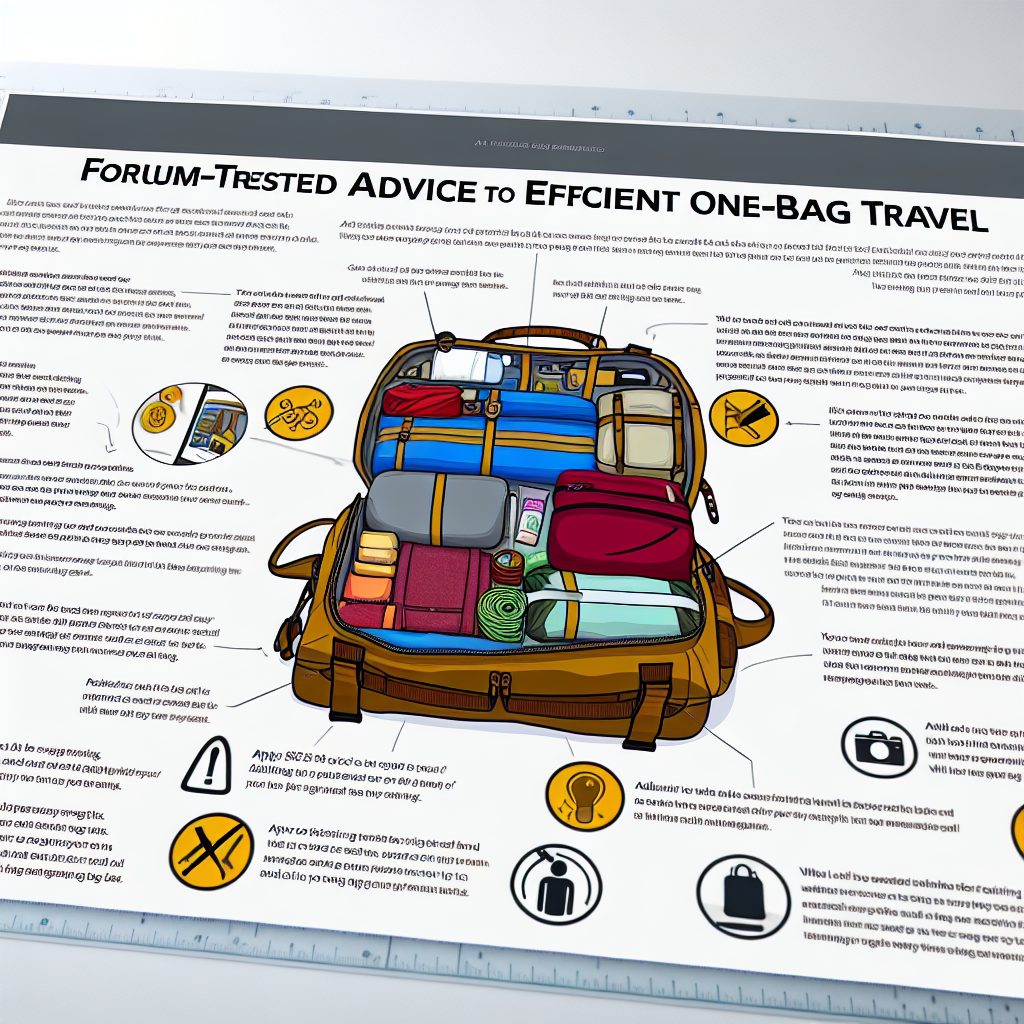
A friend named Maya runs a hotel-to-hotel freelance life on a 32L pack. Two-thirds of her bag is in packing cubes: three performance tees, a merino long-sleeve, a lightweight rain jacket, convertible pants, and one smarter layer for evenings. The rest holds essentials: a passport in a reinforced case, string lights that make any room a sanctuary, a small speaker, and a film canister repurposed for razor heads and jewelry. She carries two phones (local SIM and home), toiletries in canvas pouches, and a microfiber towel. The load is light but versatile.
Choosing a bag—fit and features:
– Laptop access: top-loading or rear-panel sleeve for security and ease.
– Materials: lighter fabrics save ounces but consider durability.
– Carry geometry: adjustable straps, snug fit, and how it rides on buses or bikes.
– Silhouette: roll-tops compress for market hauls; structured packs spread weight for hikes.
Pack smarter, not just smaller:
Aim to fill your bag to about 80% capacity. That extra 20% swallows souvenirs or a locally bought raincoat. Do a full pack rehearsal wearing your bulkiest travel outfit and test the bag. If something does not fit, either pare down or accept a second intentional carry item.
Small hacks, big impact:
– Use packing cubes to prevent clothes from tangling.
– Repurpose pill boxes or film canisters for jewelry and tiny spare parts.
– Keep two wallets: an everyday wallet and a passport wallet tucked in a secure pocket.
– Wear your bulkiest shoes and jacket on travel days to save space.
– Carry two comfort items—a small scent, string lights, or a paperback—to make transient rooms feel like home.
Takeaway:
One-bag travel is both gear and habit. Share clear context when you ask for help, protect yourself in the used-gear marketplace with simple due diligence, and practice the 80/20 packing balance that keeps travel flexible and unburdened. Travel lightly, buy locally when you can, and leave places better than you found them.
What would you leave behind to make room for the story you want to carry home?