# Pack Light, Wander Far: How to Start Backpacking, Find Community, and Make Every Trip Your Own
There’s a hush just after the last car engine fades and the dirt underfoot starts to hum. It smells faintly of crushed sage and hot stone; the light is the color of a well-steeped tea. I sling my pack higher, tense my shoulders for the climb, and realize that carrying less has opened space for more: more sky, more conversation, more time to notice the tiny things — a beetle’s mirrored shell, the way an older hiker ties their bandana. This is the alchemy of a trail: equal parts dirt, planning, laughter and quiet that rearranges priorities.
If you’re trading a corner office for flexible weeks, or saving weekends to get outside, backpacking isn’t a measure of distance — it’s a practice. It asks you to pare down, to be curious about the people you meet, and to lean on community when you’re new. Below is a practical, soulful guide to starting small, finding your tribe, and honoring the places you pass through.
## Find the community before the route
Modern backpacking is delightfully social. The best advice I ever received came from a thread where someone had just returned from a rain-soaked ridgeline and posted a single, candid line about blisters and a cheap set of gaiters that saved the trip. Look for local forums and weekly beginner threads — many groups clearly separate wilderness treks from travel-style backpacking, which is important because the gear, permits and etiquette differ.
When you post, ask the obvious questions. Say where you’re headed (desert wash, alpine col, or island ridge), how many nights you want, and whether you plan to camp wild or at designated sites. Experienced hikers show up regularly to help — be specific and courteous, and return the favor when you can by sharing photos and trip notes. Reciprocity is the currency of trail communities.
Local meetup groups and community gear swaps are gold. I once met half my current hiking circle at a Sunday swap: someone lent me a tent, I taught a basic stitch-and-repair hack, and we ended up on a dawn hike that felt like finding family.
## Keep your first trips intentionally small
Your first backpacking trip doesn’t need to be a thru-hike. Start with an overnight or a two-night loop close to home. Smaller trips are easier to plan, teach essential skills, and let you experiment with gear without losing sleep over logistics.
Multi-day travel changes the math: water planning, food resupply, human waste considerations, and sleeping systems suddenly matter. If navigation makes you uneasy, go with a group. Group trips can be slower and heavier, but they’re confidence builders — and a fast track to stories you’ll tell for years.
A few starter-trip ideas: a coastal ridge with a short ferry ride, a high-desert loop that crosses a seasonal creek, or a small national-park backcountry permit that includes an easy summit. Keep distance and elevation gain realistic for your fitness and pack weight.
## Budget gear: rent smart, buy used, DIY where sensible
One rookie trap is thinking you need brand-new ultralight gear from day one. Rent or borrow the big-ticket items first (sleeping system, tent, backpack) to find the right size and fit. Community gear swaps, thrift pages, and local groups often have barely-used items at a fraction of retail.
Prioritize: a comfortable sleep system and a reliable pack frame. Once you know what you like, buy selectively. Learn a few DIY fixes — a homemade stuff sack, simple seam-tape repairs, or batch-cooking dehydrated meals — and keep a small repair kit in your pack: duct tape, spare cord, needle and thread.
Trade in your local groups; they’re often the best marketplace for gently used gear and honest feedback.
## Travel with cultural curiosity and respect
Backpacking crosses landscapes and human stories. When your route nears towns or villages, slow down. Learn basic phrases — a simple “gracias” or local greeting goes a long way — and ask permission before photographing people. Support local guides, eat at family-run restaurants, buy produce from markets, and be mindful of sacred sites.
Cultural humility isn’t performative: it’s practical. If a community asks you not to camp in a certain valley or requests modest dress at a shrine, honor that request. Your small choices — packing out your trash, staying on established trails, tipping fairly — ripple widely.
I once accepted an invitation to a sobremesa (the slow conversation after a meal) in a mountain village. The host insisted I try their homemade queso and gave me a small jar of jam to take on the trail. Those exchanges taught me more about place than any guidebook.
## Safety, planning, and the small craft of trip reports
Good planning keeps the adventure sweet. Check permits, seasonal closures, and local weather forecasts. Carry a basic first-aid kit and know how to use it. Share your itinerary with someone who won’t be joining you and bring a reliable way to communicate in emergencies.
When you return, write a short trip report — even a paragraph. Report the route details, weather conditions, water sources, and what gear did (or did not) work. That small habit turns memory into shared knowledge and helps the next hiker avoid the same mistakes.
## Inspiration: vivid landscapes and tiny moments
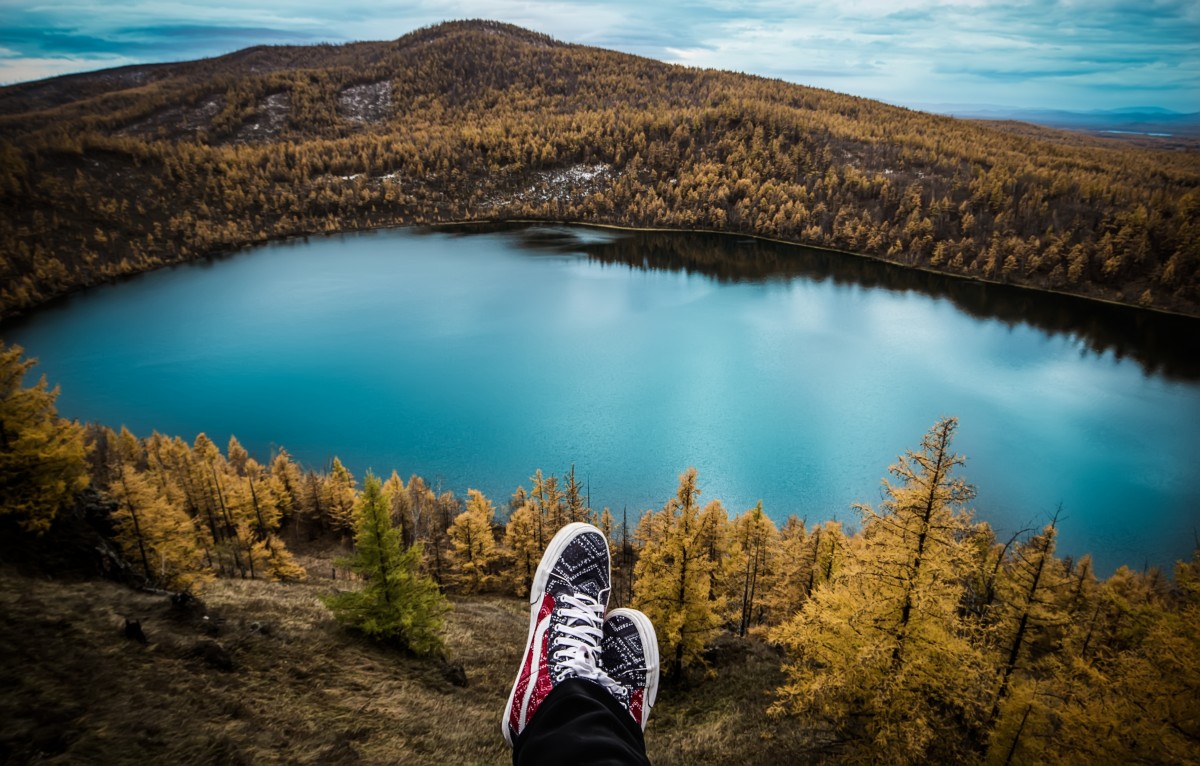
If you need direction, head somewhere that rewards both wonder and humility: an island with green ridgelines shaving the horizon, a desert canyon flushed with late-afternoon light, or a mountain pass where the air is thin and honest. But remember — the best moments aren’t always vistas. A stove-top stew at dusk, a stranger’s shared chocolate, or waking under a sky thick with stars can be the trip’s most lasting images.
Bring a notebook or your phone, and record those tiny moments: the sound of a river on a particular night, the taste of a roadside mango, a local phrase you didn’t know before.
## A note to the hustle-weary wanderer
You don’t need a runway of savings to start. Many find long-term travel by saving deliberately, choosing flexible work, or pacing travel slowly to stretch a budget. Slow travel — staying longer in one place, working remotely, volunteering locally — often yields richer cultural exchange than a checklist of attractions.
Pack with humility. Travel with curiosity. Leave places better than you found them.
Takeaway
Backpacking is equal parts logistics and wonder. Start small, lean on community knowledge, and treat your gear list like a living document — it will change as you do. When you return, share what you learned. That small act keeps the trail alive for the next person ready to step off the beaten path.
Where will you let the trail rearrange your priorities next?