# When the Park Gates Flicker: Planning Wild Escapes in an Uncertain Season
There’s a particular thrill to loading the car and pointing it toward a map speckled with national parks. I can feel the rubber loosen from the driveway, the coffee tin rattling in the cup holder, and the radio settling into a highway hum. But lately that exhilaration comes with an asterisk: gates that flicker, visitor centers that sleep, and shuttle systems that go silent. For weekend road‑trippers, digital nomads taking a detour, or parents juggling sticky fingers and bedtime, a little forward thinking keeps the day from turning into a logistics scramble.
Below I’ll walk you through how I plan when access is uncertain, how to ask for the kind of help that actually speeds things along, and three parks I return to for different reasons — with sensory notes to help you decide which path fits your mood.
## A morning at the edge: setting the tone
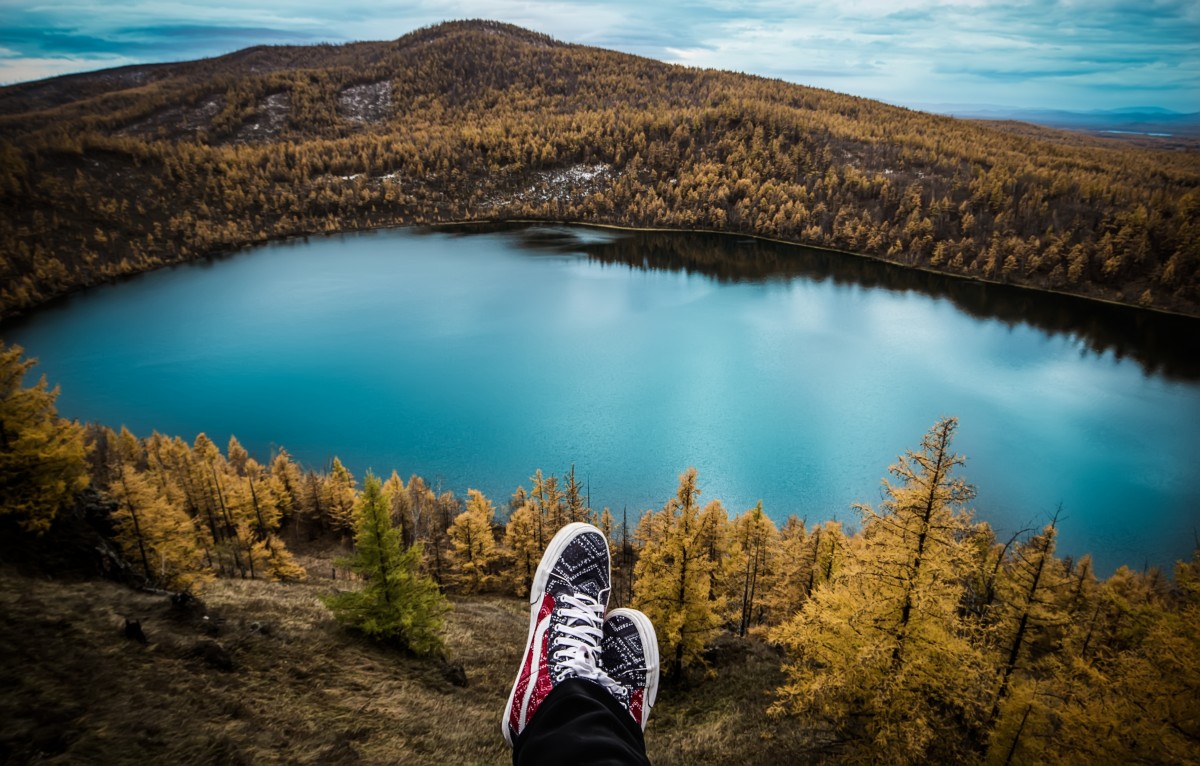
I open with a scene: it’s 6:15 a.m., the sky still bruised with pre‑dawn, and I’m standing at a rim where the air tastes like cold stone and sage. The canyon exhales shadow and a single raven scratches at the wind. When park services are scaled back, these moments feel both more fragile and more intimate — you’re seeing a place as it is, without the scaffolding of full staff or programs.
That intimacy is a gift, but it comes with responsibility. When the gates don’t play by the rules, your planning needs to be smarter, not more complicated.
## Before you go: the basics that save a day
– Check the park’s official website and social channels first. These are the authoritative notices.
– Call the local ranger station or visitor center. A human voice will often confirm nuance that a bulletin can’t convey.
– Reach out to nearby towns, outfitters, and the county tourism office. Local businesses frequently have the freshest, practical scoop.
– Build plan Bs: state parks, national forests, and BLM lands can be wild, quieter, and more forgiving on services.
When I’m packing, I assume fewer services than I hope for: extra water, a full electronics power bank, toilet paper tucked into a dry bag, and a small first‑aid kit.
## Ask for the help that gets you an answer
If you’re posting to forums or calling a ranger, give people something to work with. Vague questions get vague answers. A few details earn you time and trust:
– Where you’re starting from and whether you’ll drive or fly.
– Exact arrival and departure dates; even a single day’s difference changes permit availability.
– Who’s on the trip: ages, mobility, whether you have restless toddlers or arthritic knees.
– Whether you plan to camp, use a hotel, or apply for backcountry permits.
– The experiences you want: waterfalls, ridgelines, wildlife, historic sites.
– The kind of hike you enjoy: mileage, elevation gain, and pace.
Give that context, and people will stop guessing and start tailoring advice that actually fits your crew.
## Three parks to keep on your shortlist
### Black Canyon of the Gunnison — narrow, dramatic, intimate
Walk the rim at golden hour and the canyon will change its voice: the western walls glow like a slow burn; shadows lengthen into theatrical curtains. The rim trails are doable and unexpectedly quiet. If you head down into the inner canyon, expect steep, technical routes that require respect and good footwear. Pack a windbreaker — the depth keeps temperatures cool and the light honest. Photograph at dawn or dusk; midafternoon contrast can flatten the drama.
### Arches National Park — iconic and quietly personal
Delicate Arch has the silhouette of a pilgrimage. I remember the scrape of sand under my boots and the scent of warmed sandstone as the sun climbed. The trail is exposed and generous in views but stingy with shade. Water, hat, and patience are nonnegotiable. If shuttles are suspended, timing is everything: sunrise for solitude, late afternoon for the arch’s warm glow. Be a steward: don’t climb on fragile formations and follow the cairns and designated paths.
### Acadia — salt, granite, and the slow cadence of tide
Acadia is a coastal hymn: gull cries, lichen that feels like velvet, and carriage roads where bicycle spokes whisper. In shoulder seasons, the island reveals itself — fewer tour buses, more room to breathe. But expect local businesses to scale back off‑season. Pack a thermos of something hot, check the tide charts, and linger on headlands to let the ocean rewrite your schedule.
## Culture, ink, and why parks matter beyond vistas
Parks are landscape and memory. People bear them on skin — Delicate Arch capsules on sleeves or small silhouettes behind ears. These places hold personal and communal stories. Travel thoughtfully: learn the land’s history, seek Indigenous perspectives, and ask before you photograph people or cultural sites. When possible, buy local: a roadside café’s stew, a hand‑thrown mug from a town potter — these purchases stitch you into a region’s economy and memory.
## On‑the‑ground tips during uncertainty
– Be self‑sufficient. Pack food, water, and a basic first‑aid kit. Don’t assume restrooms or trash pickup will be available.
– Lock in accommodations early. When national services are limited, local lodging fills quickly.
– Respect temporary closures. Barriers protect both visitors and fragile ecosystems; going around them can cause real harm.
– Support local economies. Small towns are the living room of many parks; buy gas there, eat a meal, and tip generously.
## How uncertainty can broaden your map
When gates flicker, you might discover a deserted BLM valley with broad horizons, a state park with a perfect loop trail, or a roadside diner where locals swap route tips over coffee. These detours often become the best stories — unexpected encounters, a hidden waterfall, a new favorite stretch of road.
The wild will wait, but sometimes it asks you to work a bit harder to get there. With clear questions, a couple of backups, and a respectful footprint, you can still find those unforgettable mornings at canyon rims and tide‑slick rocks.
What stretch of road or hidden place has surprised you most on a trip that didn’t go according to plan, and how did that detour change what you travel for?