# Where Light Finds You: Five Landscapes That Make You Rethink the Route
There are moments on the road that ask you to stop consulting your itinerary and start listening. I remember one morning in the Cascades when the sun unfolded like a slow reprimand — not urgent, just insistently beautiful — and everything I thought I had to do that day fell away. Dawn and dusk don’t simply change the sky in these places; they recalibrate your sense of distance, noise, and the habitual scroll. Below are five pockets of the planet where light stages a performance worth getting up for. Each vignette is a small invitation: how to see more, tread lighter, and come away changed in ways no postcard can describe.
## Central Cascades, Washington — Sunrise Among Ancient Ridges
I climb to a low ridgeline before first light and wait while the world exhales. The peaks keep a slow, holding breath — pockets of snow and basalt catching the cold. Then a ribbon of gold slides along the serrated horizon and suddenly the alpine meadows look like stitched quilts of moss and lupine. The air tastes of pine resin and last night’s rain; a distant creek adds a copper note. There’s a tenderness to a Cascades sunrise that makes you want to stand quietly, hands cupped around a warm mug.
On the ground:
– Choose lower-elevation viewpoints for quick rewards; hike farther if you want fewer people and more solitude.
– Bring warm layers and a wind shell — mountain mornings change outfits fast.
– Stay on durable trails to protect fragile alpine flora and avoid eroding slopes.
## Horsetooth Mountain, Fort Collins — A Sunset with Attitude
From town you can see Horsetooth’s sandstone flank like a weathered jawbone against the sky. Come evening, suburban hum shrinks and the rock becomes a stage for storms. I’ve stood there as cloud banks rolled in with swagger, catching the last warmth and throwing it back in bruised oranges and royal purples. It’s the kind of sunset that reminds you: epic doesn’t require isolation, just attention.
On the ground:
– Arrive early to find parking and to watch the light develop.
– Be mindful of hikers and climbers who use this place daily; keep noise down and pack out your waste.
– Support nearby cafés and outfitters — small-town economies depend on thoughtful visitors.
## Laguna Carhuacocha, Peru — High-Altitude Mirror Time
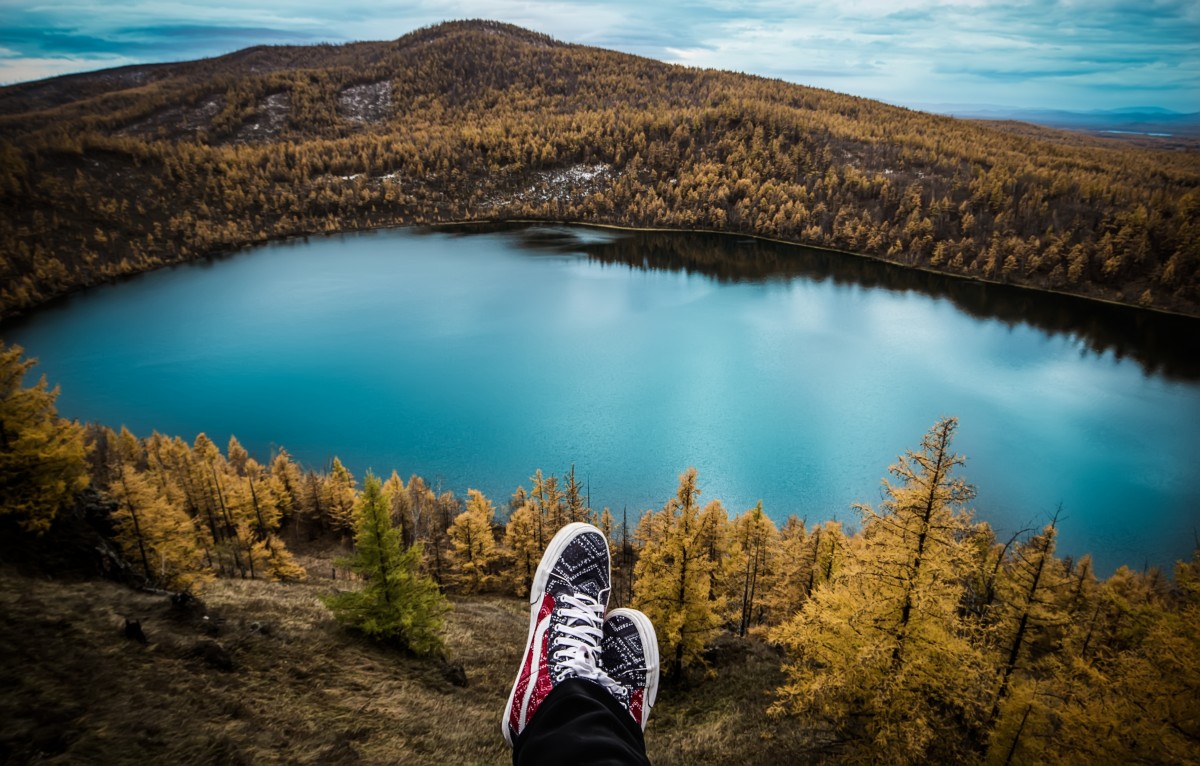
At 4,100 meters the air is thin and crystalline. Laguna Carhuacocha sits like a turquoise jewel cupped between knife-edged peaks; at dawn its surface becomes an impossible mirror. The soundscape is wind, water, and the distant lowing of llamas tended by families who’ve lived these valleys for generations. Here, the Quechua word pachamama — Earth Mother — is more than a metaphor: it’s a presence woven into daily life, ritual, and the stories families tell as they move herds between puna and village.
On the ground:
– Acclimatize for at least a day at intermediate elevation before pushing higher.
– Hire local guides when possible — they know safe routes, seasonal weather, and cultural protocols.
– Carry reusable water and refuse single-use plastics; glacial landscapes are especially vulnerable.
## Nichols Pond, Northern Vermont — Small Pond, Big Autumn
There’s a particular hush in New England autumn that feels designed for reflection. Nichols Pond is a small amphitheater ringed with maples and birch; when the leaves turn, the water becomes a layered painting of reds, golds, and rust. The only soundtrack you need is the soft slap of a canoe paddle and the dry rustle of leaves. On one quiet morning a neighbor handed me a jar of local cider — “sidra,” they joked — and we traded stories about harvests and the best backroads.
On the ground:
– Visit weekdays or early mornings to avoid peak foliage crowds.
– Pack out what you pack in; small towns manage seasonal surges and need visitors who leave no trace.
– Buy local — cider, cheese, or a craft from a roadside stand keeps the town resilient and rooted.
## The Tetons, Wyoming — Peaks That Speak Volumes
The Tetons are unapologetic. Their jagged ridgelines carve a horizon that makes the rest of your worries look negotiable. Light in the valley sculpts the range with theatrical shadows and brilliant highlights; some days a late-spring snowfield will glow like opal, other afternoons the clouds will flatten the world and make distance intimate. Wildlife is part of the story here — elk in velvet, a distant black bear foraging — so respect is essential: these are resident lives, not props.
On the ground:
– Observe posted closures and seasonal restrictions; they’re there for people and wildlife.
– Use bear-safe canisters where required and keep a respectful distance from all animals.
– Consider shoulder seasons (late spring, early fall) for fewer crowds and more nuanced light.
## A Practical, Cultural Reminder
Travel is negotiation. In each of these places I’ve learned that the best souvenirs are not things you buy but practices you take home: a few words in a local language, a route taught by a guide who remembers the slope names and the stories attached to them, a pastry bought from a morning baker who relies on steady customers. These small gestures lengthen the positive arc of a trip and help preserve the places we love.
I carry a few simple travel rules with me: ask before photographing people or private land; learn the local name for a place and use it; err on the side of leaving a route as you found it. These choices are modest but cumulative — they keep routes open, protect fragile ecosystems, and honor the living cultures that make a landscape whole.
## Takeaway
Sunrise and sunset are cheap miracles available to anyone with hiking shoes and a willingness to pause. Whether you stand on a Cascades ridge as the first light cuts the air, witness a Horsetooth storm curtain ignite, peer into a Peruvian high-altitude mirror, drift along a Vermont pond rimmed in flame, or look up at the uncompromising Tetons, the lesson repeats: travel slower, listen to local knowledge, and let the landscape change you a little before you change it. That small change is the most sustainable souvenir you can carry home.
Where will you let the light alter the way you travel next?