# Five Wild Views to Chase Before Your Next Road Trip — From Colorado Ridges to New Zealand Mirrors
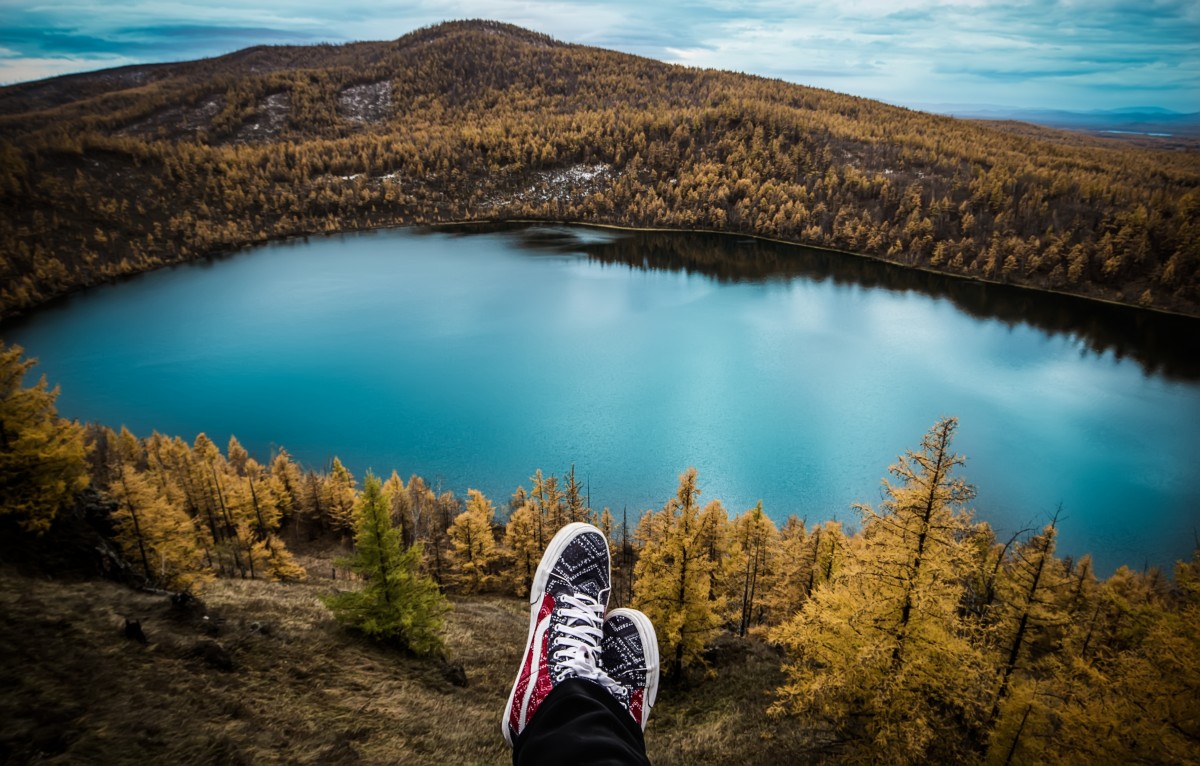
You don’t need a plane ticket to feel small and astonished — but sometimes you do. I remember standing on a ridge west of Fort Collins as the city below folded into evening like a slow, glowing map. The wind smelled of sage and something sweeter — a late-blooming bitterbrush — and the light cut the rocks into clean edges. That moment set the tone for a year of chasing views: the ocean slamming into a stony amphitheater, fog piling between serrated peaks, a lake that becomes a perfect mirror, and a desert cathedral of hoodoos that seem lit from within.
These five landscapes, stretched across two continents, share one thing: they stop you in your tracks. They reward curiosity, patience, and a little planning. Come with sensible shoes, an open heart, and respect for the people who call these places home.
## Horsetooth Rock — Fort Collins’ Rooftop
Why go: Horsetooth sits like a jagged tooth on the Front Range skyline. From the ridge you get panoramic views of Fort Collins as the light softens and the plains go amber. It’s a short, sharp way to feel elevated — literally and emotionally.
What to expect: Trails climb through scrub oak and pinyon-juniper, giving way to rocky ledges and wind-swept viewpoints. The hike can feel steep in spots; bring good footwear, water, and a wind layer. Late afternoon into sunset is prime: high clouds often catch the light and throw the valley into burnt oranges and steel blues.
Respect & tips: These are living landscapes. Carry out what you bring in, stay on trail, and arrive with patience — sunrise and sunset attract photographers and locals. A friendly word and a shared viewpoint make the experience richer for everyone. Acknowledge that this is on the ancestral lands of Plains tribes including the Northern Arapaho and Cheyenne.
## Devil’s Punchbowl — Lincoln City, Oregon
Why go: The Oregon coast is elemental theater; at Devil’s Punchbowl the ocean has carved a circular amphitheater where waves explode and chime like actors hitting a crescendo.
What to expect: The show peaks around high tide and when a storm pushes offshore. Watch from designated viewpoints — the rocks are slick, currents are strong, and sneaker-dashing toward the edge is a fast way to spoil the afternoon.
Respect & tips: Check tide charts and local advisories. Coastal ecosystems are fragile — don’t take shells or disturb wildlife. If you want silky water in-camera, bring an ND filter and a sturdy tripod; for memories, bring a thermos with something warm and stand back from the surf so you can actually breathe it in.
## Layers Align — North Cascades, Washington
Why go: In the North Cascades, ridgelines stack like turned pages. Morning fog and low light pull every layer into relief and make the landscape read like a study in depth and silence.
What to expect: This is alpine country: steep passes, dense forest, and sudden weather swings are normal. Early mornings deliver the most dramatic layers as light grazes peaks and mist hangs in the valleys. Choose viewpoints that reveal multiple ridgelines receding into blue haze for the full effect.
Respect & tips: Cell service is patchy; plan accordingly. Carry bear-aware supplies if you plan to venture off-trail and keep campfires to designated sites. These mountains sit within the territories of Coast Salish and other Indigenous peoples — take time to learn place names and local stewardship practices. Photographers will love telephotos that compress distance; hikers should bring microspikes in shoulder seasons when freezes can make trails tricky.
## Mirror Lakes — South Island, New Zealand
Why go: If you crave quiet and perfect reflection, Mirror Lakes near the Milford Road are a short, very sweet stop. On a windless morning the water becomes a flawless pane, doubling peaks and clouds.
What to expect: The boardwalks make for an easy, accessible stroll. Go early to beat buses and catch glassy calm; the symmetry is a kind of visual exhale. You’ll likely meet travelers from all over the world, so patience and a gentle nudge to share the best angles goes a long way.
Respect & tips: Aotearoa/New Zealand is rich with Māori history. This area sits within the rohe (territory) of Ngāi Tahu — move with aroha (respect): keep dogs on leashes, stay on paths, and learn a few local terms or the place name. For composition, include a foreground element — a tuft of grass, a stone — to anchor the reflection and avoid a flat, literal mirror.
## Bryce Canyon — Hoodoo Cathedral
Why go: Bryce is less a canyon and more a cathedral of hoodoos — tall, thin spires carved by time and light. At dawn and dusk the formations glow like an arranged chorus, the desert light seeming to come from within the rock.
What to expect: Well-placed boardwalks and overlooks let you wander the amphitheater without getting lost. Sunrise is cinematic; stormy afternoons drop dramatic shadows across the formations. Trails like the Navajo Loop offer closer encounters, but be mindful of dust and steep grades.
Respect & tips: Water is scarce here — pack sun protection and ample water. Many of Bryce’s landscapes are on or adjacent to the traditional lands of the Southern Paiute; learn about local histories and travel with respect. Drones are restricted in many national parks, so check rules ahead of time. The hoodoos are fragile: stay on marked trails and resist the urge to climb the spires.
## Photographer’s quick kit
– Sturdy tripod and a small ND filter for coast and long-exposure work
– Polarizer for reflected skies (Mirror Lakes will thank you)
– Layers and a windproof shell — mountain and coastal weather changes fast
– Lightweight daypack, reusable water bottle, and headlamp for early starts or late returns
A final word: Leave it better than you found it
These places are not just photo backdrops — they are home, memory, and story. Read up on local histories, support small businesses, and listen to the people who have tended these lands for generations. Travel with humility: take a photo, take a breath, and leave the trail a little cleaner than you found it. What view are you most drawn to — and how will you go about seeing it with curiosity, care, and an open heart?