# Checked In, Seen Through: Renting in Plain Sight
I arrive at the downtown flat at dusk, the city folding into orange light. The building smells of frying sardines and laundry soap; the key is taped to the buzzer and the listing said “self check-in.” I push open a narrow door and, mid‑stride, notice a tiny lens tucked behind a decorative smoke alarm.
Privacy in short‑term rentals feels like a local custom until it isn’t. For travelers who prize curiosity over comfort, undisclosed cameras and unclear cohosting setups turn a convenient night in into a small crisis. Here’s what to know, what to do, and how to travel so you keep the story you meant to write.
## Platform rules and what they actually change
Most major short‑term rental platforms now require hosts to disclose recording devices in their listing and prohibit cameras in private spaces such as bedrooms and bathrooms. Disclosure means a clear note in the listing and, often, a photograph showing where the device is placed.
That rule sounds straightforward. In practice, ambiguity creeps in through cohosts (someone who manages the property for the owner), last‑minute listing edits, or a mismatch between a long‑term tenant’s expectations and a time‑limited guest’s right to privacy.
Where local law matters: some countries treat in‑home surveillance differently. In parts of Europe and parts of Latin America, cameras in shared common areas can be more accepted; in others, tight tenant protections make any undisclosed recording unlawful. If you’re unsure, a quick search for “[city] tenant rights + short‑term rentals” or a call to a local tourist board can save an awkward conversation.
## A guest’s alarm: a quiet, practical micro‑drama
The camera I spotted in Lisbon was less cinematic than you imagine: a grainy pinhole behind a fake smoke alarm. I felt foolish, then exposed. I photographed it, left the flat, and messaged the host. The host’s cohost replied within ten minutes—surprised, apologetic, and claiming the device was for external entrance monitoring and accidentally placed too far inward.
We called the platform together; they asked for the timestamped photos and my check‑in time. Within an hour the listing was updated, the host refunded a portion of the stay, and a safety note went to their profile. Nobody suggested violence; no authorities were required. It was messy, humbling, and fixable because I documented and acted quickly.
## Practical travel armor: checklist before and during your stay
– Ask for the direct listing link and recent, room‑specific photos. If the listing uses stock images, ask for a video walkthrough taken within the last month.
– Confirm whether a cohost or property manager will access the flat. Ask for their name and hours of entry—disclosure helps set expectations.
– Read reviews for mentions of privacy, cameras, or surprise entries. One or two mentions are a red flag; a pattern is a hard stop.
– On arrival, do a quick sweep: look at smoke alarms, vents, decorative objects, and power outlets. Use your phone’s flashlight and the camera to spot lenses that reflect light.
– If you find a device, document it with photos and timestamps. If you feel safe, unplug or switch it off and label where you found it in your message to the host and platform. If you feel threatened, leave and call local emergency services first.
– Contact the host immediately, then the platform within 15–30 minutes. Platforms tend to act faster when there’s early documentation.
– Preserve evidence: don’t delete messages, keep the device in place (unless unplugging is safer), and take screenshots of the listing page showing the absence of disclosure.
## For hosts, cohosts, and ethical short‑term stays
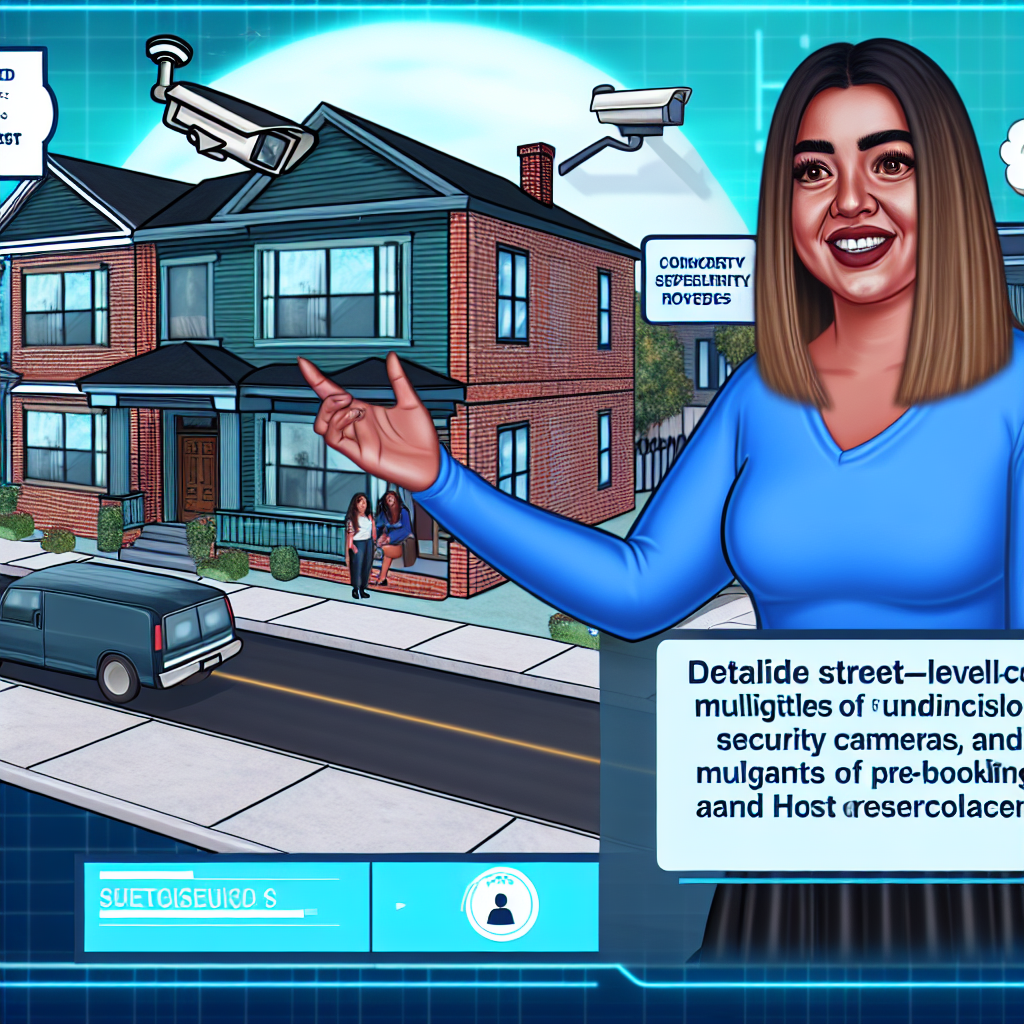
Hosts often are juggling long‑term tenants, cleaners, and remote managers. A cohost is someone who helps run the property—check‑ins, cleaning, guest messages—and they should be disclosed in the listing too. Simple transparency keeps bookings honest and safer for everyone.
One host I spoke with, who lives in Bogotá and rents a spare flat, framed it plainly: “Trust is the product I sell.” She sends check‑in videos and names the cleaner in the confirmation message. Her bookings are steadier for it.
Regard local community norms. In smaller buildings where a concierge or doorman is standard, cameras for communal security are more accepted. Still, private spaces are private. When in doubt, disclose and photograph.
## Resources and who to call
Search the platform’s safety and privacy pages—terms like “undisclosed recording devices,” “cohost,” and “listing photos” will yield policy pages and often a way to report. For quick help, have local emergency numbers saved, plus the platform’s emergency contact and safety hotline. Look up local tenant or traveler advocacy groups; many publish short guides explaining what landlords can and cannot do.
Takeaway: pack your curiosity and your receipts
Traveling means occasionally sharing space—and sometimes negotiating the friction of someone else’s routines. The right mix of sensory openness and procedural caution keeps you adventurous without handing over your dignity. Document what you see, ask direct questions before you arrive, and if something feels off, act fast: photograph, message, and escalate to the platform within the first 15–30 minutes.
Would you rather fold this risk into your story or cut it out before it starts?