# When Parks Play Hard to Get: Planning Epic National Park Trips in Uncertain Times
I stand at the rim before dawn, the canyon breathing out an ancient cool that smells faintly of sage and sun-baked rock. The sky pulls color like a tide — first a bruise of indigo, then a slow, blushing orange that slides down cliff faces and makes the sandstone pulse. That hush, that first light, is the exact reason I plan for uncertainty: the parks I love can be unexpectedly closed, a shuttle can stop running, or smoke can wash the horizon gray. And yet those imperfect, improvised mornings often become the sharpest travel memories.
This piece is both a love letter and a field kit. It stitches sensory travel — the grit of slick rock under your shoes, the hush of alpine mornings — with practical questions and shutdown-era survival tips. Use it to wander smarter, travel more thoughtfully, and arrive ready for whatever the park throws your way.
## Know the terrain before you leave: closures and updates
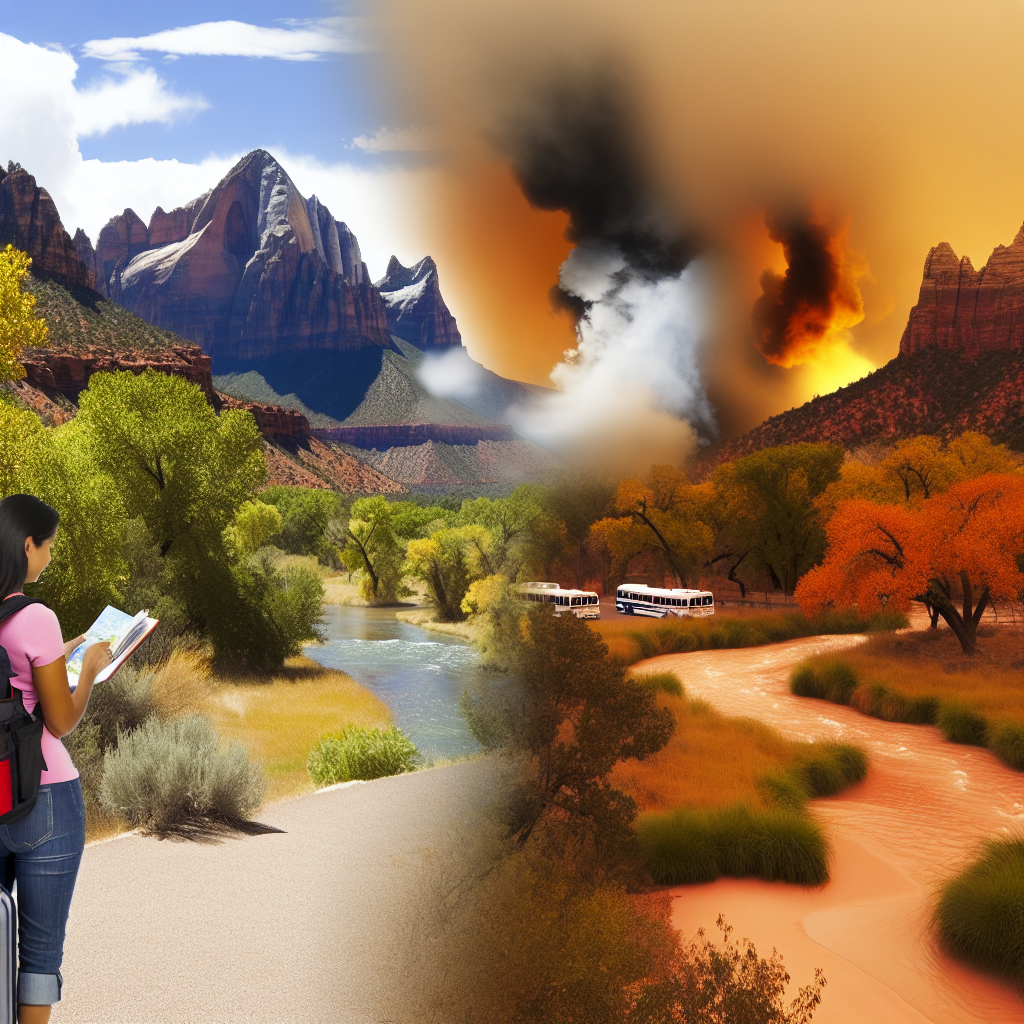
Parks change by the hour. A summer thunderstorm can wash a trail; wildfire smoke can make an entire canyon feel like a paper lantern. Start with official sources: park websites, NPS alerts, and ranger social channels. Then listen to the chorus — community megathreads, local Facebook groups, and regional hikers’ forums often aggregate real-time closures, shuttle hiccups, and parking headaches faster than official updates.
Keep a healthy skepticism. A trailhead sign that says “open” doesn’t guarantee restrooms, shuttles, or potable water. Visitor centers can be closed while roads remain passable. Pack contingencies: extra water, a trash bag, basic first aid, a paper map alongside downloaded offline maps, and a headlamp. Always respect closures — they’re usually about safety or cultural protection, not inconvenience.
Practice Leave No Trace and support local economies where you can. Buy a sandwich from the town bakery, fill water at a community tap, hire a local guide. These small acts keep parks sustainable and communities resilient.
## How to ask for planning help (and get good answers)
If you post to a travel forum or DM a local, make your request a quick profile rather than a wish list. Useful details speed up useful replies:
– Where you’re departing from and whether you’ll drive or fly.
– Exact dates and total days (including travel time).
– Who’s in your crew: adults, kids, any mobility or medical needs.
– Accommodation vibe: tent campsite, cozy cabin, or hotel?
– Must-see wants: sunrise rim, slot canyon light, alpine lakes, wildlife, backpacking?
– Hiking preferences: distance, difficulty, dog-friendly?
– Budget and permit flexibility.
– Solitude vs. amenities: how much are you willing to give up for a quiet spot?
Give specifics and you’ll get itineraries, not follow-up questions. Bonus: ask locals what time to arrive for parking, or whether a shuttle is truly running — that ten-minute piece of intelligence can save hours of circling.
## Zion: light, red rock, and the pressure of popularity
Zion is a cathedral of rock. The canyon walls hold warmth like memory; when the sun hits, the cliffs glow as if the stone itself breathed fire. Popular routes — Angels Landing, The Narrows — are earned and luminous, but timing matters. Arrive at first light or late afternoon to find the light and some silence.
Pack for texture: sticky, polished sandstone demands shoes with traction; neoprene socks make cold water wading bearable in The Narrows. A lightweight headlamp pays off if you’re exploring side slot canyons at dusk. Remember: Zion sits on traditional Southern Paiute land. A short conversation with a cultural center volunteer or a stop at a local shop helps you understand place beyond the postcard.
If crowds are a deal-breaker, walk farther: a half-mile away from the trailhead, the light finds you differently and so will the quiet.
## Grand Teton in September: alpine gold and solo-moment magic
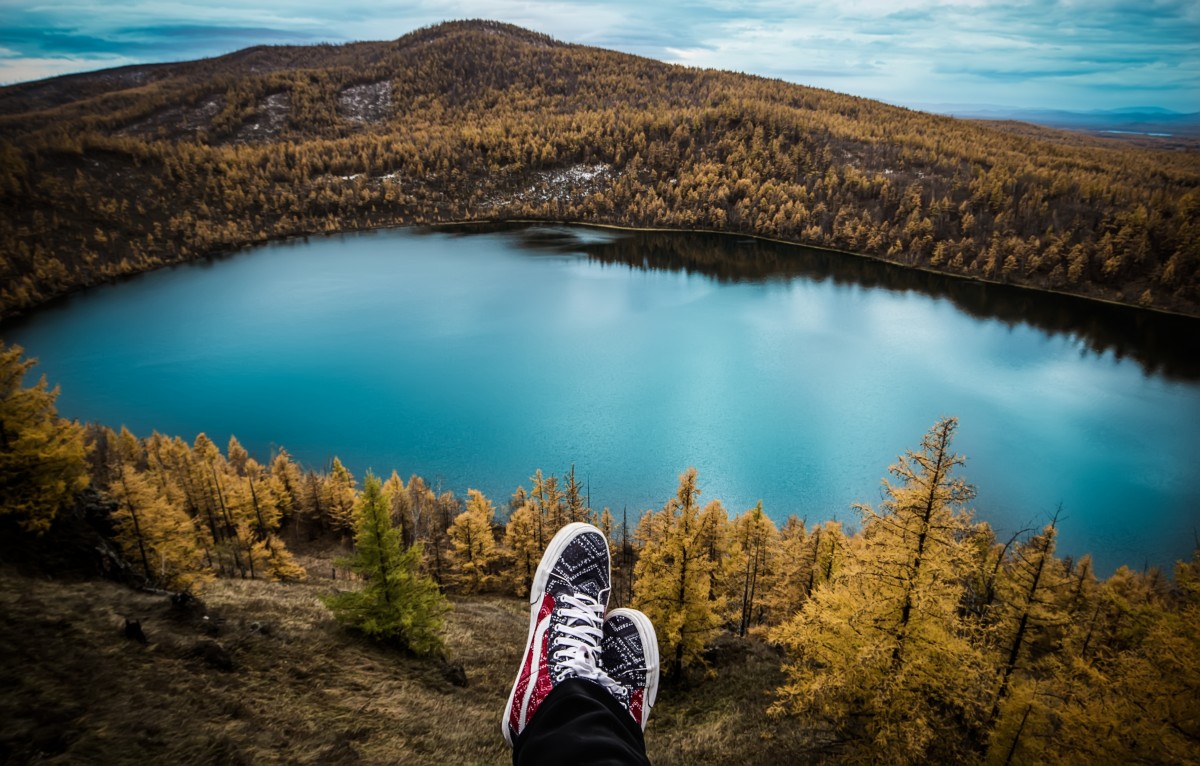
September in the Tetons tastes like cedar smoke and crisp apple. The air bites at dawn; the light is thinner and cleaner. Larches flirt with gold, aspens add glitter. Schwabacher’s Landing at sunrise is a study in mirror — cottonwoods reflected perfectly in still water while elk call across the meadow.
This is superb solo-country if you prepare. File a plan with someone at home, download topo maps offline, and carry bear spray where regulations allow — know how and when to use it. Layer aggressively: mornings can be frigid, midday pleasantly warm, and storms can build fast.
Don’t rush past human stories: stop in Jackson Hole to hear ranching tales or buy produce at a farmers’ market. The landscape here is worked land and living culture, not just scenery.
## Grand Canyon: a perspective reset
The Grand Canyon compresses time and scale until your mental horizon rearranges. South Rim offers the classic, sweeping theater of viewpoints; the North Rim gives hush and pinyon-scented solitude when it’s open.
If you descend, plan water like currency. Heat collects in the canyon and return climbs are honest. Day hikes on the rim reward without the logistical weight of a descent. When staffing or crowds are a worry, chase pre-dawn light to side viewpoints — you’ll find quiet ledges and an invitation to breathe.
Respect tribal lands and local stewardship. The canyon sits within a mosaic of tribal territories, each with its own stories and sacred places. Learn before you arrive and support tribal craft and vendors if you can.
## Practical day-before checklist
– Check official park alerts and local social pages.
– Confirm lodging, shuttle timetables, and permit windows.
– Pack backups: water, snacks, sun and cold protection, headlamp, paper map.
– Save emergency contacts and leave a planned route with someone at home.
– Carry bear spray where appropriate and know local wildlife protocols.
– Respect cultural sites and private land boundaries; purchase passes and pay fees.
– Consider travel insurance or flexible bookings when closures or staffing issues are possible.
## Takeaway
Great park trips are equal parts planning and willingness to be surprised. Travel with curiosity, humility, and a readiness to change plans. Talk to locals, carry fewer assumptions than gear, and show up ready to listen to the land’s stories.
When a canyon rim glows or an alpine lake holds a perfect mirror, those are the moments that reshape you. So tell me: which park moment are you chasing next, and how will you arrive prepared to be changed by it?