
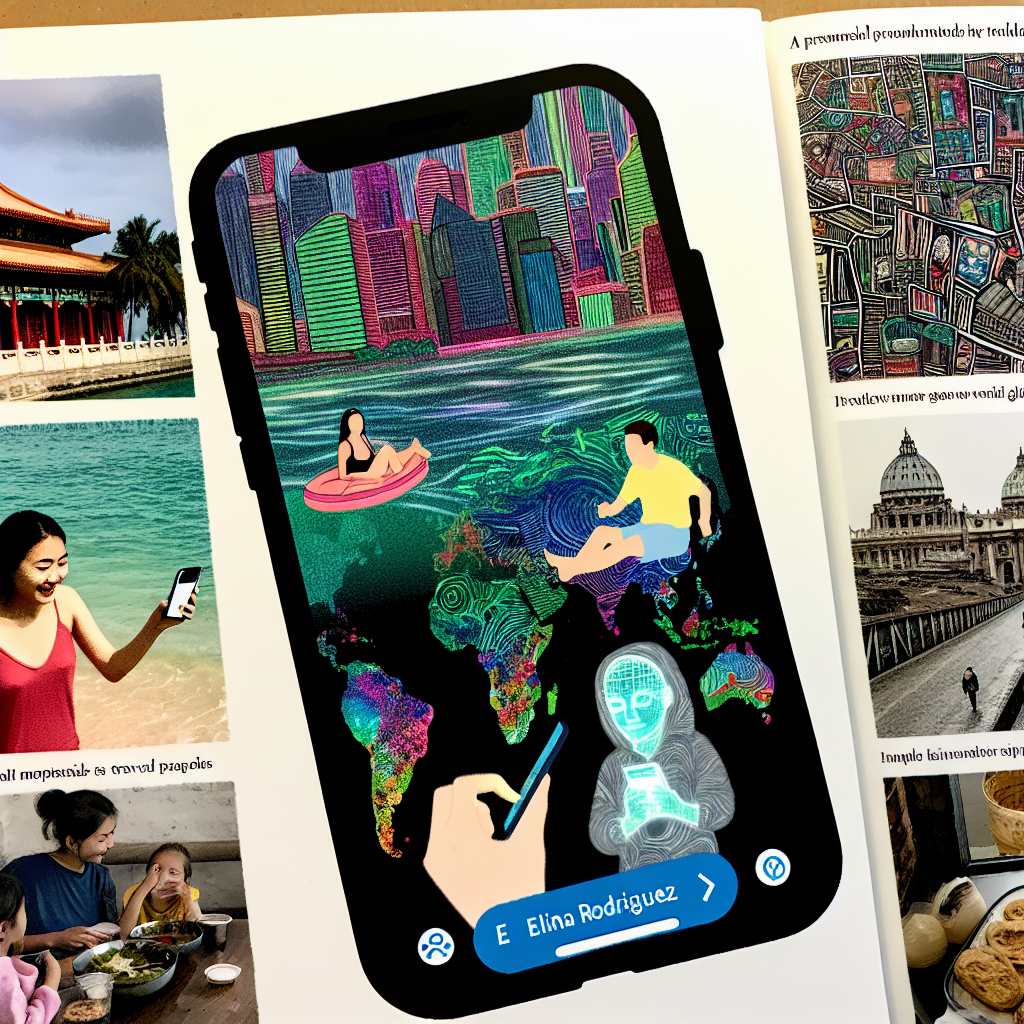
# Wander Smarter, Not Harder: A Practical Compass for Modern Explorers
I step off the train into a gray station that smells of coffee, wet stone, and the electric tang of rain. A teenager snaps a photo, a grandmother cups her thermos and says good morning, and my phone buzzes with an algorithm suggesting three museums I’ll never get to. Travel today feels like that station: a crossroads of analog instincts — curiosity, paced walking, conversations — and digital overload asking me to hurry. I slow my pace and listen. That pause is the compass.
Use AI — but don’t outsource your intuition
AI is the sleek travel assistant that can save you hours of rote planning. It drafts an itinerary, compares trains and flights, and surfaces neighborhoods you might have missed. But treat it like a capable sous-chef, not the head chef.
– Verify facts. Cross-check opening hours, visa rules, and advisories with embassies, official tourism sites, and recent traveler reports.
– Ask for nuance. Prompt for seasonal caveats, local customs, accessibility and family-friendly options rather than just a list of attractions.
– Combine tools. Use AI to sketch a plan, then refine it with niche blogs, local tourism boards, and first‑hand reviews from residents or recent visitors.
– Protect yourself from facades. Many services repackage generic AI outputs behind paywalls; test free prompts and ask for sources.
When in doubt, print one map, learn a phrase in the local language, and prioritize the five experiences that make your heart beat faster.
Family-friendly China: Where five days and small feet matter
I remember a December morning in Sanya: the air warm enough to walk barefoot, sea-salt on my lips, and a group of toddlers racing along the shore with plastic buckets. If your calendar only gifts you five days with kids, minimize transit and maximize rhythm.
Base yourself in Hainan — Sanya or Haikou — and make short day trips. Toddlers and five-year-olds do best with routine: a morning on the beach, a slow lunch, an afternoon nap or quiet museum visit.
– Keep it simple. Choose one home base and explore nearby markets and parks.
– Beach + culture = texture. Combine sand time with a family-friendly museum or a short performance — small rituals make trips memorable.
– Pick the right resort. Look for family suites, kid clubs, and easy dining. Places like Mangrove Tree Resort World Sanya offer convenience, but compare proximity to local markets and ferries to keep your stay authentic.
– Pack for winter sun. December on Hainan can be breezy — layers and sunscreen save the day.
Say yes to a local snack stall where cháng ge (long buns) are hot off the griddle. The kids will remember the taste before the skyline.
London to Rome: Highlights with intention
The corridor from London to Rome still carries that train‑car romance. The trick is not to crowd too much into the map.
Prioritize experiences over postcards. Linger in Florence until you can name three leather shops without a guidebook, or let Rome’s neighborhoods teach you how to order a slow dinner like a local.
– Rail is your friend. High‑speed trains cut transit fatigue and give you more time to wander.
– Mix signature sites with neighborhoods. See the Colosseum, yes — then lose yourself in a Roman rione over aperitivo.
– Budget with intention. Combine one splurge night where you savor a special meal with economical stays elsewhere.
There’s joy in the small rhythms: a grocer in Trastevere who knows how you take your coffee, a baker in Florence who slides you a warm schiacciata. These are the textures that linger.
Visiting Iraq — when a local invite is a doorway and a responsibility
An invitation from a local friend can open a version of a country no guidebook can show. Iraq is a place where hospitality blooms even amid complex safety concerns. If a friend invites you, approach with care and humility.
– Check advisories. Consult your embassy’s guidance and recent traveler reports.
– Consider a local fixer. Even a half-day of local help can smooth visas, transport, and culturally appropriate behavior.
– Treat safety as situational. Stick to well-known neighborhoods, accept your host’s guidance, and avoid areas with active conflict.
– Respect rituals. Dress modestly where appropriate, ask permission before photographing people, and let your host lead on social norms. A simple “shukran” (thank you) or “insha’Allah” (God willing) can go a long way when used respectfully.
– Plan for contingencies. In major cities you’ll find hotels and taxis; in smaller towns, prearranged stays and flexible plans are essential.
When welcomed into a family home, you might share sweet tea and date-stuffed hands while a grandfather recounts a neighborhood story. Those moments — not monuments — become the reason you went.
Ask better questions when someone returns home
“How was your trip?” is kind but bland. If you want to hear the story that breathes, ask questions that invite detail, surprise, and reflection.
– “What moment made you stop and breathe?”
– “Who treated you with unexpected kindness?”
– “What did you taste that you can’t stop thinking about?”
– “What did you change your mind about?”
– “What would you do again in one sentence?”
These prompts turn travel into narrative, not a checklist.
Practical, sustainable habits that keep doors open
Travel responsibly: choose homestays, eat at small family restaurants, tip fairly, and support local guides. Learn a few phrases — not to parade them, but to show effort. Carry a reusable bottle and say no to single‑use plastics. These small choices ripple.
Closing compass
Wander with curiosity, yes, but bring a compass: practical on the outside, open on the inside. Use AI to shave hours off planning, but let local conversations, slow wandering, and careful research fill the hours that matter. Pick one place and linger. Let a local invitation teach you more than a guidebook can. When you come home, ask — and tell — the stories that matter.
What place keeps calling you back — and what small, intentional gesture could you make on your next trip to turn a visit into a meaningful exchange?