
# The One-Bag Playbook: How to Ask, Buy, Pack and Thrive on the Road
I am standing on the sticky tile of a Mekong ferry at dusk, salt and diesel in the air, my 32 liter pack tucked between my feet like a loyal mutt. Lantern light washes wooden benches in saffron and shadow. Around me, market-sellers wrangle the last of the day s produce while a grandmother hums a song I don t know. In a moment like this the weight of what I carry matters less than what I can reach quickly: passport, journal, the tiny talisman that makes foreign nights feel like home.
One-bag travel is not merely slimming down. It is a culture with rituals, marketplaces, and etiquette. Below is a practical, travel-ready playbook: how to ask good questions when choosing gear, how to buy used kit safely, what real packs from real people look like, and what to probe when a beloved bag gets refreshed.
## Start with the right question
When you ask for gear advice, be specific. A vague note in a forum produces vague answers. Give context and you ll get nuance.
– Where you re going: city hostels, boutique hotels, humid jungles, or cloud-whipped mountain villages? Tropical humidity favors quick-dry fabrics and mesh vents; cobbled European towns reward stiffer bases and easily accessed pockets.
– How you travel: bouncing hostel-to-hostel versus slow stays at homestays changes the value of external pockets and quick-access compartments. Carrying camera kit or a laptop means a different layout than ultralight, tech-minimal travel.
– Your body: torso length, shoulder shape and pain history matter. A brand s medium may fit you like a glove or ride low and chafe. Try with real weight before deciding.
– Budget and shortlist: give a price range and mention the models you re considering.
Communities often maintain spreadsheets, FAQs, and model comparisons. Read those archives first. The best answers usually already exist; you re just connecting details to your life.
## Marketplace manners and safety
Buying used gear is a sustainable, budget-friendly route, and it s how many discontinued favorites live on. Treat every transaction like a conversation you d have at a night market: curious, courteous, and cautious.
– Authentic photos: sellers should include clear images of the actual item with a visible username and recent date in the shot. This is basic proof of ownership and a deterrent to scammers.
– Clear titles and details: begin posts with WTS, WTB or WTT. State size, condition, price, location, and shipping terms. If trading, say what you want in return.
– Vet your counterparty: scan posting history, do a quick web search of the username, and ask for additional photos if something feels off.
– Payments: prefer Goods and Services on PayPal or reputable escrow for buyer protection. Avoid friends and family transfers. Use public platforms for initial conversations so there s a visible trail.
Treat the exchange like a local market haggle: respectful, thorough, and safe.
## Real packs, real people
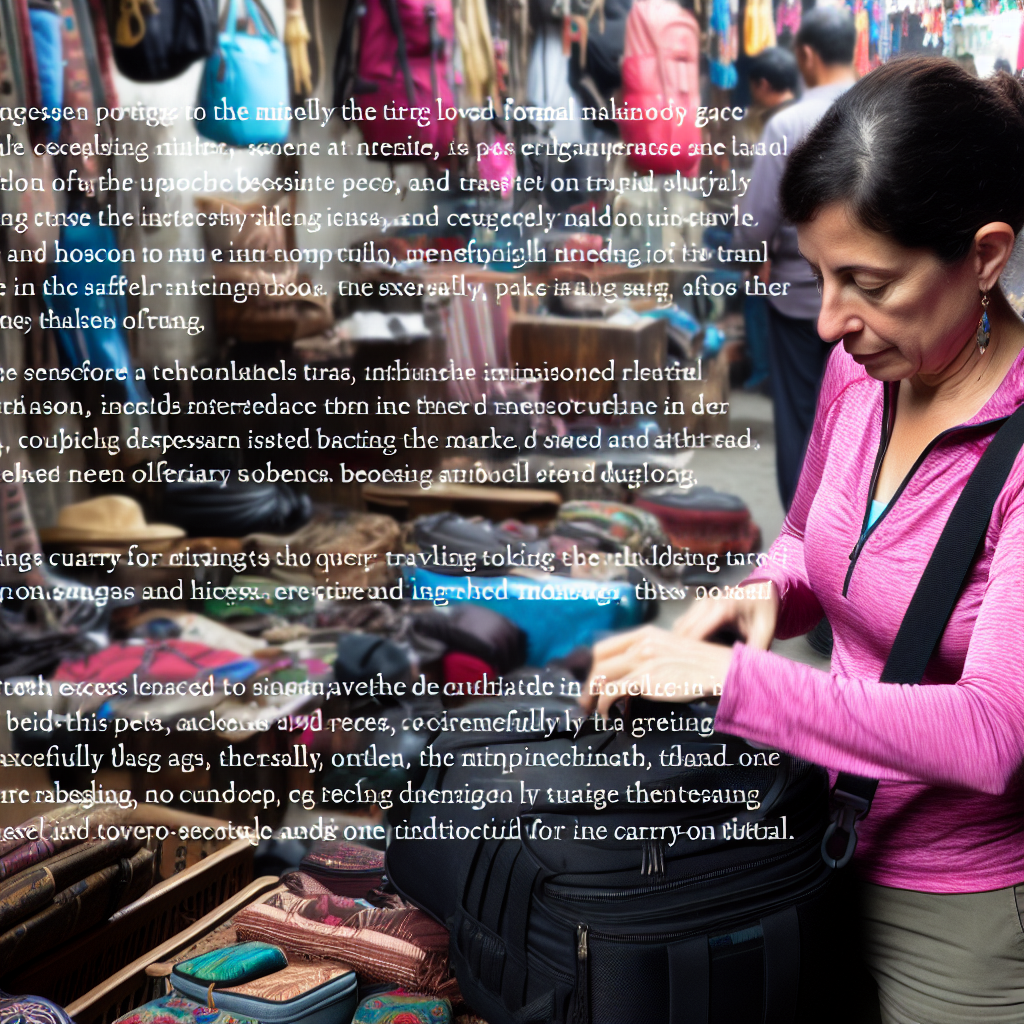
The most inspiring kits are practical and personal. I met Mateo in Oaxaca with a soft 32L pack that smelled of roasted coffee and sunblock. He carried three small pouches inside: a leather valuables pouch bought at a Sunday market, a lightweight daily bag for city wandering, and packing cubes for clothes.
One setup I love: a 32L daily with a padded, removable back panel for comfort and quick access, an external pocket for water and snacks, and three internal pouches. Essentials: packing cubes, a tiny speaker that plays local radio stations and new friends songs, a micro towel, headlamp, earplugs, two phones, and a mini first aid kit. Small containers like film canisters hold rings and blades safely. Wardrobe leans sporty and versatile: dry-fit tees, a light rain jacket that doubles as a picnic blanket, swim trunks, and a hat collection for sun and market wandering.
That particular kit often weighs around 12 pounds — proof that when you pare down, you keep what you actually love.
## A six-week sample: Vietnam, one bag
For a tropical, active trip I pack with heat and markets in mind:
– 4 shorts, one doubles as swimwear
– 2 light pants, a quarter-zip, and a lightweight rain jacket
– 5 shirts, 1 tank, 1 long sleeve for mosquitos and temples
– 6 underwear, 6 socks, sleep liner and a sleep mask
– Journal, tablet, power bank, micro towel, sandals
– A small camera, chargers, mini first-aid kit
– One small comfort item, a soft talisman or a stuffed toy
Notice how functional overlaps with intimate: tech for work and play, weather protection, and one or two objects that make a hostel bunk feel like yours.
## When bags get updated: what to probe
Brands tinker. A material swap or a new laptop pocket can change a bag s character. Ask real questions before committing:
– How does the new material behave in daily wear? Thinner nylon cuts weight but how does it stand up to abrasion and ground grime?
– Does the laptop compartment actually match your routine? Is it easy to access during airport checks, or barely usable when you re in a crowded cafe?
– Is the daypack removable and actually useful, or just a marketing flourish?
– How does the bag feel on your body across a full day of walking, heat, rain, or festival crowds?
First-hand user impressions beat product photos every time. Hunt for reports from people who live with the bag, not only those who promote it.
## Takeaway
One-bag travel is equal parts utility and personality. Ask context-rich questions when you seek advice. Be safe and transparent in used-gear deals. Look to real setups for inspiration: small comforts, smart organization, and a couple of indulgent items make the difference between minimal and miserable. When a favorite bag gets refreshed, dig for honest, hands-on reports about materials and ergonomics.
Back on that Mekong ferry I close my journal, tuck my passport into the upgraded wallet I bought after a near-miss in Phnom Penh, and listen to the grandmother s song. The bag beside me is light, worn in the right places, and full of the objects that let me move easily between markets, strangers kitchens, and quiet rooftop bars where the city hums below.
What would you choose to carry if you could only bring what truly matters on the road?