# When the Gates Close and the Trail Gets Quiet: A Guide to Respectful, Prepared Dispersed Camping
*By Elena Rodriguez*
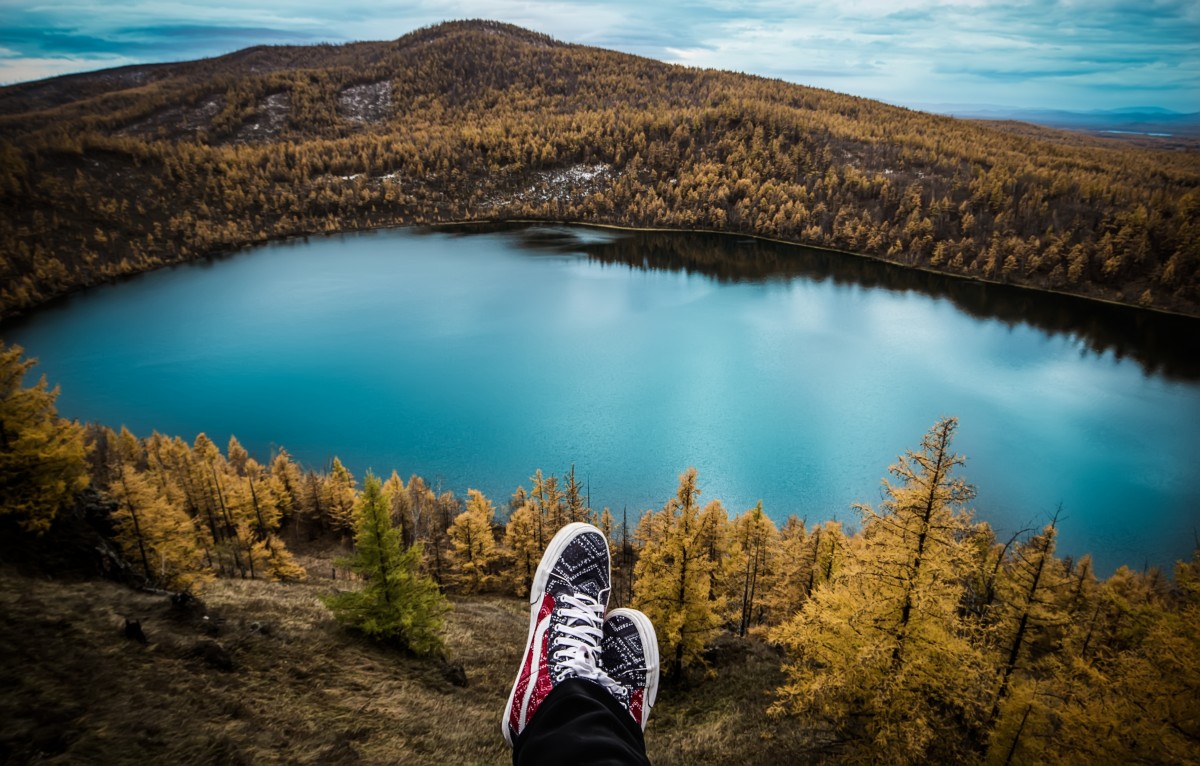
There’s a particular kind of peace found where the map turns from grid to green: gravel gives way to dust, a narrow track becomes a rutted road, and the last bar of signal vanishes behind a stand of pines. I remember pulling over once where a wash of evening light made the sage glow silver; a single truck had passed hours earlier and the whole valley smelled like warm earth and diesel. The mountains held the stars like lanterns — no neon, no engines — and for a moment the world felt like it belonged only to its own breath.
That feeling is why many of us seek dispersed sites: the small, unmarked clearings off Forest Service roads where your tent is the only sign of other humans. But the backcountry asks for one thing in return — thoughtfulness. Whether a ranger station closes during a funding lapse or an unexpected pair of late-night visitors wander up, the woods require preparation, humility, and a respect for the people and cultures who live there.
## Before you go: closures, reservations, and the local phone call
Public lands can change on short notice. Websites that sell permits may be online one day and partially offline the next during an administrative shift. If you have bookings, keep screenshots and confirmation numbers on your phone and print a copy if you can.
A small, often overlooked ritual saves more time than a dozen packing lists: call the local ranger district. Park web pages can be out of date; a 90-second conversation with a gatekeeper or trail crew will tell you whether a road is gated, if a washout has turned a two-wheel route into a rock crawl, or whether fire restrictions are stricter than the statewide rule.
If the office is closed, tap community sources: local hiking forums, regional subreddits, and curated wikis often post recent trailhead conditions faster than official pages. Ask specific questions — vehicle type, planned road, time of year — and you’ll get better advice.
## Tap the community: wikis, threads, and shared wisdom
Think of online communities as a living map. When I was new to dispersed camping, a ranger on a forum sent directions to a secluded bench of pine and juniper, plus the tip to avoid the low saddle after a storm. Those hyper-local details — which season washes out which approach, where a river is fordable, which landowner prefers you skirt their pasture — are gold.
Be polite: read older threads before posting, say what you already know, and credit the people who help. The best communities reward reciprocity; when you get home, leave a trip report with the updates you wished you’d had.
## Choosing your spot: dispersed versus developed
Dispersed camping is not a synonym for unregulated. You’re usually on National Forest or BLM land where rules vary: distance from water, maximum nights allowed, and where fires are permitted. The payoff is privacy — and the tradeoff is responsibility.
When you scout, look for existing clearings and campsites rather than carving a new one. Stay on durable surfaces, keep at least 200 feet from water sources unless local rules say otherwise, and never block an existing road or gate. In high-use areas, rotate your sites; the land can recover when we let it.
## Camp etiquette: boundaries, conversation, and quiet hours
Wilderness etiquette is mostly common sense wrapped in courtesy. If a campsite is tucked back in the trees, it’s a signal: solitude wanted. Choose another spot or keep distance. If you’re approached, a simple hello and a short, friendly boundary (“We’re keeping it low-key tonight”) is enough.
Campfires are social anchors. Ask before joining and respect a refusal. Use established fire rings where allowed, burn only dead, downed wood, and never leave a fire unattended. In dry seasons, swap embers for gas stoves — they’re quicker, cleaner, and less likely to scar a place.
## Wild nights: animal sounds and staying safe
The night in the backcountry sings in animals and wind. Coyotes yip, owls converse, and sometimes the sound is something broader — elk voices, the distant rattle of a big animal moving through brush. That soundtrack is part of the reward, but it reminds you to store food properly: in your vehicle, a bear canister, or a locker if there’s one at the trailhead.
Traveling alone at night increases risk. Keep a headlamp where you can reach it, keep a whistle on your person, and tell someone your plan and expected return. Layers matter: mountain chill can arrive like a thief. Pack for worst-case weather and treat forecasts as a guideline, not a guarantee.
## Light packing that actually works
Minimalism in the backcountry should be about smart choices, not compromises. A roomy, quick-pitch tent; a 20–30°F sleeping bag appropriate to your season; a small stove and fuel; and calorie-dense food get you through most trips. I carry canned beans and smoked fish for sturdiness, but pair them with fresh apples or citrus for balance and to reduce processed wrappers.
Community-tested extras: a reliable headlamp with spare batteries, a lightweight map and compass (and the practice to use them), a multi-tool, and footwear with ankle support for rocky crests and river crossings. For groups, designate roles: one cooks, one navigates, one is the “leave no trace” checker.
## Cultural awareness and local respect
Every landscape carries people’s stories. I once spent a morning trading coffee for conversation with a shepherd in a high valley — he taught me the family’s seasonal rounds (the transhumance), the names of the ridgelines, and where the old spring still runs. He asked that I avoid an arroyo because it’s where his flock is sheltered in summer; I moved camp four ridgelines over.
When you visit places with pastoral communities, Indigenous lands, or sacred sites, listen first. Learn local words — a greeting, the name of a place — and use them with care. Respect posted signs, and if someone asks you to move, do it without argument. Sustainable travel isn’t just eco-friendly; it’s culturally attuned.
## The takeaway: solitude as a shared resource
The best dispersed trips blend curiosity with courtesy. Do the administrative homework before you go, lean on local forums for the latest conditions, and keep your camp a model of leave-no-trace practice. Pack warm, secure your food, and be ready to change plans when gates close or crowds arrive.
When you wake before dawn to the hush of a valley and the light comes slow across rock and sage, remember that the land’s quiet is a fragile thing. Treat it like a guest house: leave it better than you found it, and carry the story of stewardship home.
When you close your tent flap and listen to the night, what story do you want the land to remember about you?