## Sunrise Highways and Language Mishaps: The Art of the Unrushed Roadtrip
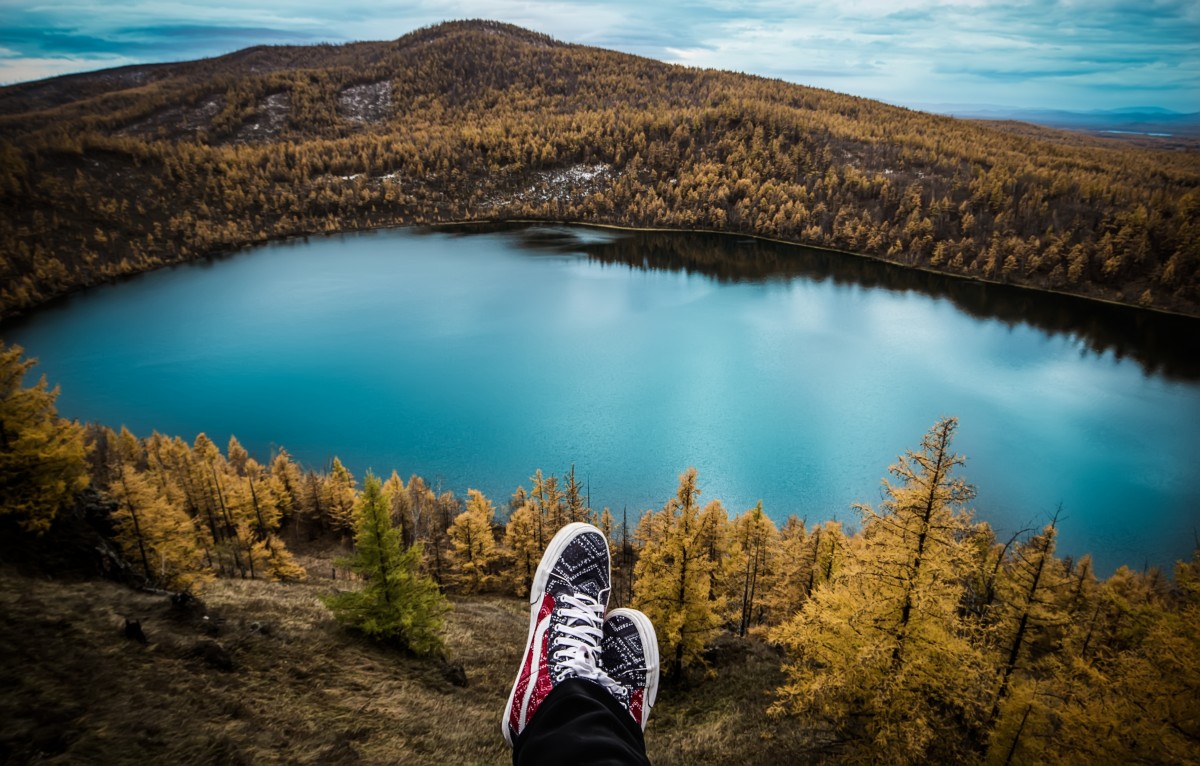
There is a kind of hush at 5:30 a.m. on a mountaintop road: the air cool and mineral, the horizon a bruise of color that resolves into a bank of gold. I open the door, and for a moment the world is only the hiss of a kettle and the soft creak of tent fabric. Out here, dawn is literal and moral — it makes you slow, notice, and choose.
Growing up with a torn atlas in the glovebox and a disposable camera on the dash, I learned that the best parts of a trip occupy the margins: the unmarked turn that becomes a village of excellent empanadas, the diesel-stained mechanic who tells you the shortcut no navigation app will recommend. This is for folks who trade pace for presence, who want to return with stories that smell like coffee and road dust.
## Start with intention, not itinerary
Map a direction, not a schedule. Choose a coast, a desert, or the spine of a mountain range and give yourself permission to veer. The rhythm of a roadtrip is made of choices — decide what matters to you. For one day follow light: wake for sunrise in the passes, chase the soft late-afternoon glow in deserts, let evening decide where you pitch camp. Time becomes richer when measured in light and curiosity rather than miles.
Small rituals anchor the day: a thermos of coffee brewed on a single-burner stove, a brief walk to the nearest overlook, a postcard written while the world is still waking. These are cheap, repeatable acts that breed unforgettable mornings.
## Maps, signs and the trouble they cause
Nothing humbles like foreign signage or an unexpected speed camera. I once mistook a municipal restriction sign outside a small Italian town for a parking notice; a letter arrived weeks later with a polite fine and my abashed apology. The fix is simple: learn basic local driving rules and familiar symbols before you go. If you don’t read the language, photograph confusing signs and ask — at a café counter, a petrol station, or using a thirty-second translation app. Locals love to help, and a few words go a long way.
Carry both digital and analog navigation. Phones die and reception drops. An offline map screenshot or a paper map folded into the glovebox keeps serendipity from becoming stranded.
## Two hemispheres, one soul: deserts and glaciers
One trip can contain worlds: dawn over steaming geysers in a high desert, brittle wind and the blue hush of a glacier valley days later. The contrast between Atacama’s salt flats and Patagonia’s granite spires is more than scenic — landscapes shape pace, cuisine, and conversation.
Plan for extremes. In arid places pack shade, sunscreen, and extra water. In cold zones bring layers, sturdy boots, and plans for weather-closed roads. Respect local guides and protected areas; trails and campsites exist to protect fragile places and local ways of life. Travel light, tread lightly, and tip well.
## Language mishaps and cultural curiosity
When language stumbles happen, treat them as openings rather than obstacles. I once tried to ask for a campsite in a small mountain town, mangled the local word for “camp” and instead earned a chorus of laughter, a large pot of stew and an invitation to sleep in the back room of a bar. A smile, a handful of phrases learned in advance, and curiosity dissolve friction. Learn ‘buenos dias’ (good morning), ‘gracias’ (thank you), or a local greeting like ‘pura vida’ (a Costa Rican phrase for a relaxed, grateful approach to life) and your interactions will deepen.
Cultural awareness goes beyond avoiding fines. It’s about noticing what is valued — quiet hours, dress norms, communal eating customs — and honoring those rhythms. Ask before photographing people, buy food from local markets, and choose homestays or small guesthouses when you can.
## Photographs: film, pixels and the archive habit
There is nostalgia in loading film and waiting for prints, but discipline matters whether you shoot analog or digital. Limit frivolous snaps to force better framing, or carry one analogue camera alongside a phone. Backing up is modern travel’s unsung ritual: adopt a two-copy rule — cloud plus a physical drive — and if you shoot film, keep negatives safe and dry.
Tag and annotate images while a place is fresh. A caption about the smell of wood smoke or the name of the old woman who sold you coffee makes a photograph a memory, not just a file.
## The soft edges of misadventure
You will miss a turn, lose a roll of film, sleep in a town with no vacancy, or receive a fine in the mail you didn’t anticipate. Treat these as seasonings, not spoilers. A broken alternator might strand you beside a farmer who insists you share lunch; a missed ferry could lead to an extra night in a coastal village where you learn to shuck oysters.
When things go wrong, ask for help. Roadside kindness is a real thing: strangers offer spare parts, directions, and a place to sleep. Be generous in return; leave a campsite cleaner than you found it and pay for services you use.
## Community: where a thousand roads converge
Even solitary drives benefit from a road-tribe. Forums, local Facebook groups, and in-person conversations at markets and cafés pass along route hacks, fuel tips, and hidden vistas. Share your photos and routes; collective wisdom makes everyone’s trip safer and richer.
## Practical checklist
– Learn basic driving rules and common signage for your route.
– Carry paper maps and offline digital directions.
– Pack layers, water, sun protection, and weather-appropriate gear.
– Bring a camera habit you will sustain; back up photos in two places.
– Budget for surprises: repairs, last-minute lodging, or small fines.
– Learn a few local phrases and ask for help when unsure.
– Respect local customs, protected areas, and small businesses.
## Takeaway
The road is less about the destination than the way you keep your eyes, mind and heart open. Respect local rules, prepare for the unexpected, and lean into the mornings that make you pause. The best stories come from human moments, landscapes that steal your breath, and mistakes that later look like good decisions.
On your next trip, what ritual will you bring along to turn passing light into a memory?