# Cliffside Muses and Waterfall Whispers — Five Hikes That Remind You Why You Wander
I’m standing on a sodden ridge as wind scours the sky into quicksilver bands of cloud. A gull cries, a peat-smoke scent hangs low, and somewhere below, a spire of basalt climbs like a hand pulled from the earth. This is how a trail begins to teach you—not with a single panoramic shot, but with a collection of small, fierce moments: the rasp of boots on shale, the warmth of a thermos cupped between cold fingers, the way a village dog greets a stranger with the same curiosity as a person.
These five hikes—spread across Scotland, the Canadian Rockies, the Pacific Northwest, the Swiss Alps and New York’s Catskills—aren’t just routes on a map. They are conversations with place. Each asks you to slow down, learn a few local words, and leave something better than you found it.
## Old Man of Storr, Isle of Skye — Rock theatre and Gaelic echoes
You climb through wind and quicksilver light, and then you see it: a jagged silhouette against the sky, the Old Man of Storr rising like a ruined cathedral. The basalt pinnacles are the result of ancient landslips; from the ridge they read like carved props in a long-running play of weather and geology.
Sensory note: the wind tastes like salt and peat; cloud touches your skin like a cool sheet. Take a moment at the crest to listen—if you can, catch a local speaking Gaelic, the old stitches of language that still describe land and sea differently.
Practical wisdom: expect rapidly changing conditions—layers and a windproof shell matter more than fashion. Stick to durable ground to protect fragile montane plants; crofting communities nearby rely on a landscape that’s both working and worshipped.
Cultural nudge: pop into a village café for a bowl of stew or a flat white; conversations with crofters and shopkeepers make the island feel like more than a backdrop.
## Banff and the Canadian Rockies — Turquoise lakes and alpine cathedrals
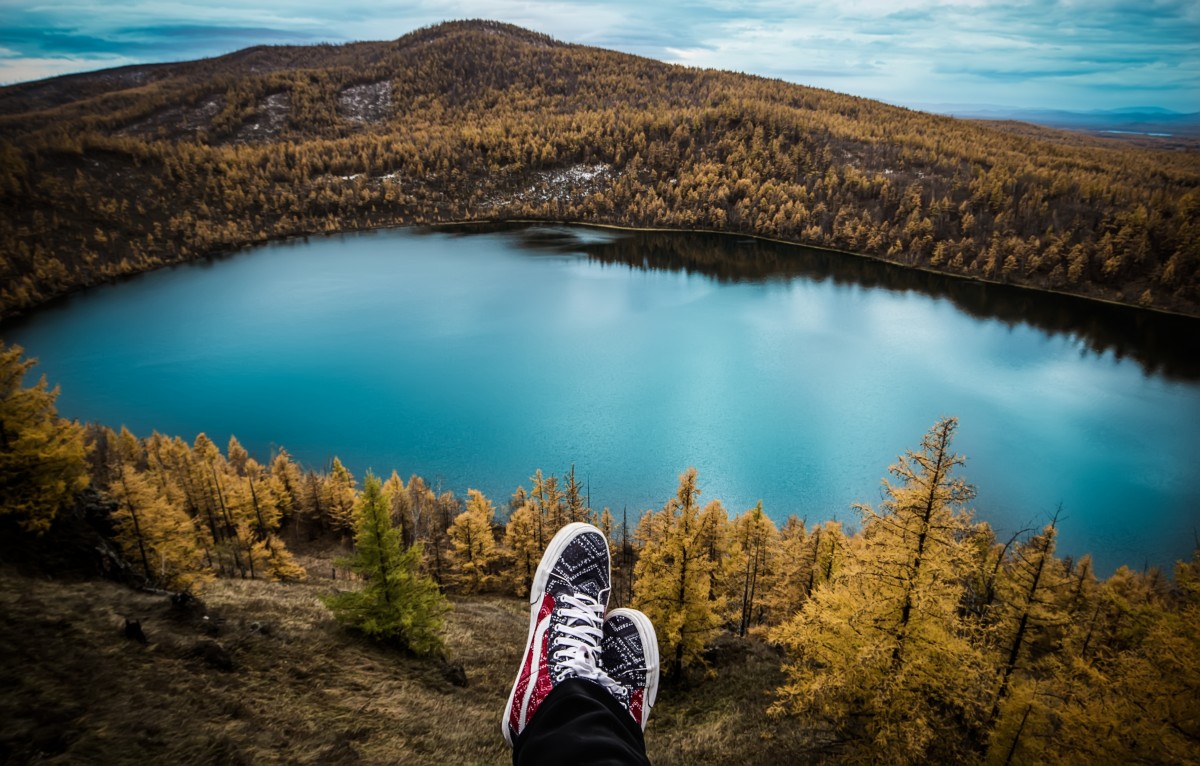
The lake is a blue you didn’t think the earth could make, and the light slides across it like a sheet. In Banff, glacial flour suspended in water creates that otherworldly turquoise, and the mountains form an amphitheatre of rock and ice.
Sensory note: early mornings mean glassy water and a hush that only breaks with distant marmot calls. The air is cold and mineral-bright.
Practical wisdom: go early to beat crowds, carry bear spray if you wander off main corridors, and respect wildlife distances. Park passes are required—use them; they fund conservation.
Local layer: consider a guided geology walk. Conversations with a Parks Canada ranger or a local naturalist add stories to the stones—where the glaciers once were, how the ranges were named, and how local communities steward these corridors.
## Silver Falls State Park, Oregon — Water’s cathedral in the temperate rainforest
You step from the trail into a green cathedral. Moss hangs like prayer flags from Douglas-fir boughs, and the loop trail threads you behind curtains of falling water—formal, constant, intimate.
Sensory note: the spray smells faintly of wet stone and green growth; sound collapses into the thrum of water. Time spent behind a fall is meditative and oddly private despite the park’s popularity.
Practical wisdom: trails can be slick—sturdy waterproof boots help year-round, microspikes in freezing months. Respect posted barriers; the rock behind a fall is beautiful because it’s precarious.
Cultural nudge: these forests are part of the ancestral territories of Indigenous peoples whose stewardship shaped the woodlands. Support local guides and conservation groups, and buy from nearby businesses that honor that lineage.
## Lauterbrunnen Valley, Switzerland — Meadows, waterfalls and cable car afternoons
Walk into Lauterbrunnen and you’re inside a postcard: waterfalls threading cliffs like white ribbons, chalets clinging to slopes, and cowbells marking a measured, alpine time. Take a cable car up for a panorama, then let your feet choose quieter meadows beneath peaks like the Jungfrau.
Sensory note: meadow air is warm with hay and alpine herbs; the sound of water is constant and bright. In summer, the valley smells of fresh-cut grass and smoke from wood stoves.
Practical wisdom: trains and cables make access easy; buy a day pass to mix hikes and cable rides. Eat at a family-run Gasthaus—your francs sustain alpine life and keep traditional recipes alive.
Cultural nudge: learn a few German phrases—Guten Morgen or Danke—and use them with warmth. Small courtesies stretch into meaningful exchanges at guesthouses and on trail.
## Wittenberg Mountain, Catskills — A first-hike epiphany
This is the place many people remember as their first real scramble: rock steps that demand concentration, steep pitches that test pacing, and a summit that feels like a small triumph made of breaths and muscle.
Sensory note: in autumn the forest explodes in rust and saffron; the ground smells of leaf mold and stone warmed by sun. Descents bruise knees and ego alike, but the view at the top tastes like earned chocolate.
Practical wisdom: trekking poles transform your descent, properly fitted boots protect your toes, and pacing beats pride. If you’re unsure about exposed sections, hike with someone experienced or hire a local guide.
Conservation note: the Catskills’ upland ecology is vulnerable—pack out everything, stick to rock where vegetation is thin, and consider hiking during shoulder seasons to reduce peak pressure.
## Takeaway: what these trails teach
Each route folds you into a different kind of listening. Skye asks for humility in wind; Banff invites you to slow your shutter and your step; Silver Falls asks you to stand inside noise and notice the hush; Lauterbrunnen rewards patience; Wittenberg gives you the gospel of pacing.
Practical checklist before you go:
– Check weather, trail conditions and any permit rules.
– Wear supportive footwear and layer for sudden changes.
– Carry water, snacks, a small first-aid kit and—where appropriate—bear spray.
– Respect local cultures and ecosystems: buy locally, tip guides, and leave no trace.
Traveling well means more than arriving. It means asking whose land you cross, what histories are braided into the trail, and how your footsteps can matter less than your presence. After a day on rocks or in rainforest spray I always return with a quieter question in my pocket: which trail changed the way you look at the world—and where will you go next to learn another small lesson?