# By Elena Rodriguez
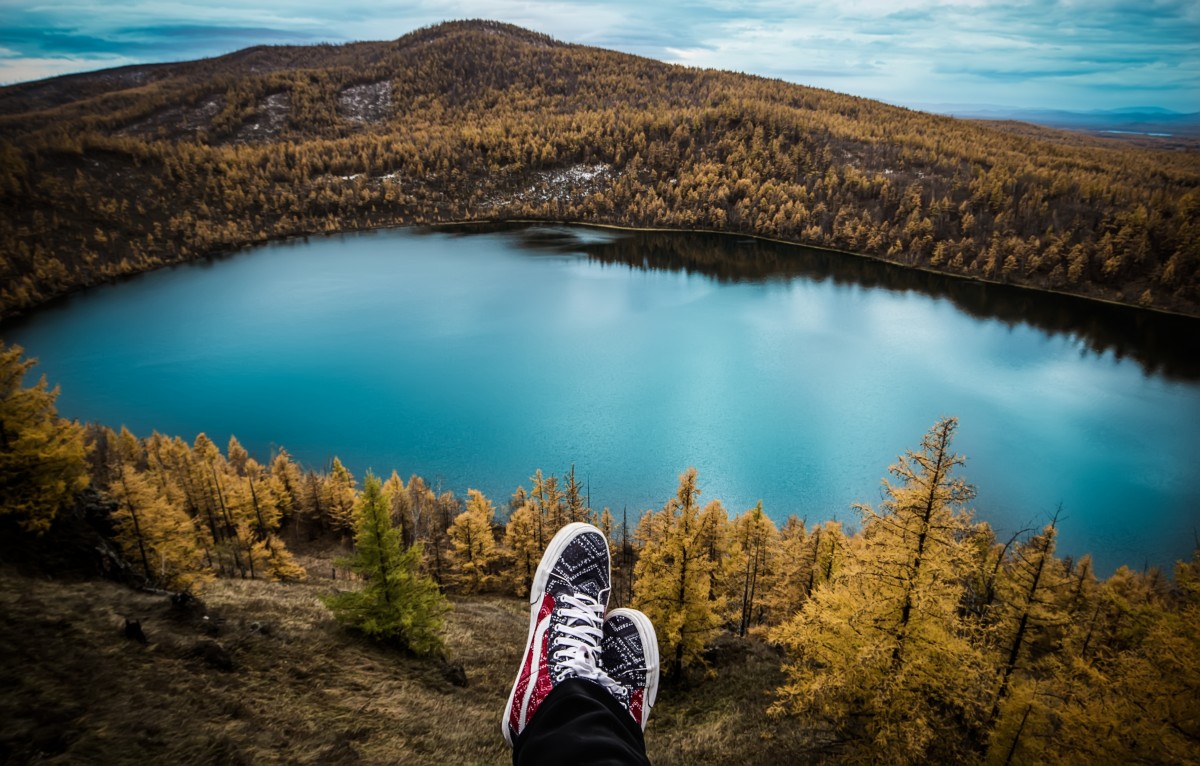
I am standing at Lago di Braies while the lake exhales dawn. The surface is a liquid mirror, the peaks of the Dolomites burn a thin, improbable rose, and the only sound is the creak of a wooden boat as a local rifugio owner pushes off for an early ferry. It feels private and enormous at once — a place that demands you pay attention with all your senses. That attention is the thread that stitches a journey together: the smell of pine resin on the trail, the taste of warm tuna at a Maldivian guesthouse, a street vendor’s laugh in Odessa when you mispronounce a word. This roundup pulls community-sourced wisdom into one place: how to approach places that are beautiful, complicated, or both — and why authenticity in travel voices matters.
## Community Compass: Where to Start Your Research
Before you buy a ticket, check whether the community you’re consulting has a living hub: a weekly destination thread, a pinned wiki, or a curated resource list. These living documents answer repetitive practicalities — visas, seasonality, train timetables — and often include local guides or official links.
When you follow a recommendation, look for the why. A hostel flagged because it’s across from the station and quiet after 10 p.m. is more useful than a flattering photo. A ferry schedule with times listed and a note about winter cancellations saves you an hour of confusion. Communities that add context help separate signal from noise.
Posting tip: When you share, add specifics — dates, mobility limits, budget. Add one sentence saying why the resource helped you. That small habit makes a huge difference to someone planning a trip.
## Keep It Human: Why Real Stories Beat Regurgitated Copy
Machine-generated lists can flatten a place into bullet points. Real travelers bring in the small, imperfect details: the three-minute detour that led to coffee with a shepherd, the unexpected closure of a museum, the moment a guide taught you how to say thank you in a local dialect. Moderators and members in healthy communities are on the lookout for posts that claim lived experience but lack the texture of it. Use tools to refine your words — not to replace your voice.
When you write, include sensory details. Names matter: the rifugio where you slept, the dhoni that took you to a reef, the café tucked in a Odessa courtyard. That texture is the map others rely on.
## The Dolomites: An Alpine Road-Trip for Hikers and Dreamers
Wake before the sun. The light on the jagged calcareous faces is a lesson in patience. Four to five days give you a clean taste; a week lets you linger in valleys and alpine meadows.
– Getting there: Fly into Milan or Verona and rent a car. Milan often has cheaper flights and rental deals; driving gives flexibility for mountain passes.
– Where to linger: Alpe di Siusi (Seiser Alm) for wide meadows; Seceda’s cable car for sudden cinematic ridgelines; Gardena Pass for a dramatic drive with roadside viewpoints.
– Insider notes: Arrive at Lago di Braies before sunrise to avoid the crowds. Book parking and permits if you’re headed to Cadini di Misurina in high season. Carry a map and a paper trail — signal can be spotty.
– Pack: layers, waterproofs, a warm hat even in summer. Mountain weather turns on a dime; bring boots that grip wet schist and a small first-aid kit.
Cultural moment: Say buongiorno to rifugio hosts and try a mountain polenta or canederli — food is how locals measure hospitality here.
## The Maldives: Island Slowdown and Reef Etiquette
The rhythm here is slow and liquid. Waking to turquoise glass and stepping into warm water from a water villa is a small, repeated miracle.
– Stay choices: If your budget allows, split nights between a local guesthouse on an inhabited island and a resort or water villa to balance cultural exchange and comfort.
– Ask before you book: Which beaches have protected house reefs? Do guides do coral-identification briefings? Are there beach-clean initiatives to join?
– Reef-aware actions: Use reef-safe sunscreen (look for non-nano zinc oxide), avoid touching coral, and never buy coral or turtle souvenirs. Take guided snorkels — local guides teach species names and conservation priorities.
– Cultural note: On inhabited islands, dress modestly (shoulders and knees covered) and remove shoes entering sacred spaces. Respect prayer times and local customs.
Small acts — carrying a reusable water bottle, declining single-use plastics — matter here. The ocean’s health is the destination’s economic and cultural backbone.
## Odessa: Beauty, History, and Everyday Resilience
Odessa is sunlight on limestone facades, salted sea wind, and the layered hum of a city that keeps living. It’s also marked by recent history; those layers deserve attention and respect.
– Expect contrasts: Grand opera nights, quiet courtyards, and sudden reminders of the city’s resilience. Locals balance hospitality with the practicalities of living in a place touched by conflict.
– Practical safety: Check current advisories and local reports. Ask hosts about neighborhoods and follow local guidance. Small gestures — asking before you photograph a memorial or a person — go a long way.
– What to do: See the opera house, walk the Potemkin Steps, lose yourself in дворики (dvory — hidden courtyards) where neighbors hang laundry and share stories.
Cultural immersion: Stop at a small bakery for pyrizhky or a café where students debate poetry. Invite conversation; Ukrainians often appreciate sincere interest in their language and stories.
## Practical Etiquette & Posting Tips (Short List)
– Be specific in online asks: dates, mobility limits, budget.
– Explain why a link matters in one sentence.
– Report posts that are off-topic or clearly not from real travelers.
– Credit local guides and businesses when sharing photos and recommendations.
## Takeaway: Travel as Conversation
Travel is richer when it’s a two-way thread: you learn, and you return the favor. Whether you’re tracing a Dolomite pass at first light, drifting above a Maldivian reef, or sitting with someone in an Odessa courtyard, prioritize sources and stories that are candid, local-centered, and precise. Use translation tools to clarify language, and use restraint with algorithmic shortcuts that flatten experience.
When you come home, share the small details — the name of that rifugio owner who taught you to tie a hiking knot, the guesthouse host who pointed out moon-lit plankton, the old man who recited Odessa poems on a bench. Those details are the map others will use to find their own roads less wandered.
What small, sensory moment from your travels has changed the way you see a place — and how might you pass that detail forward?