
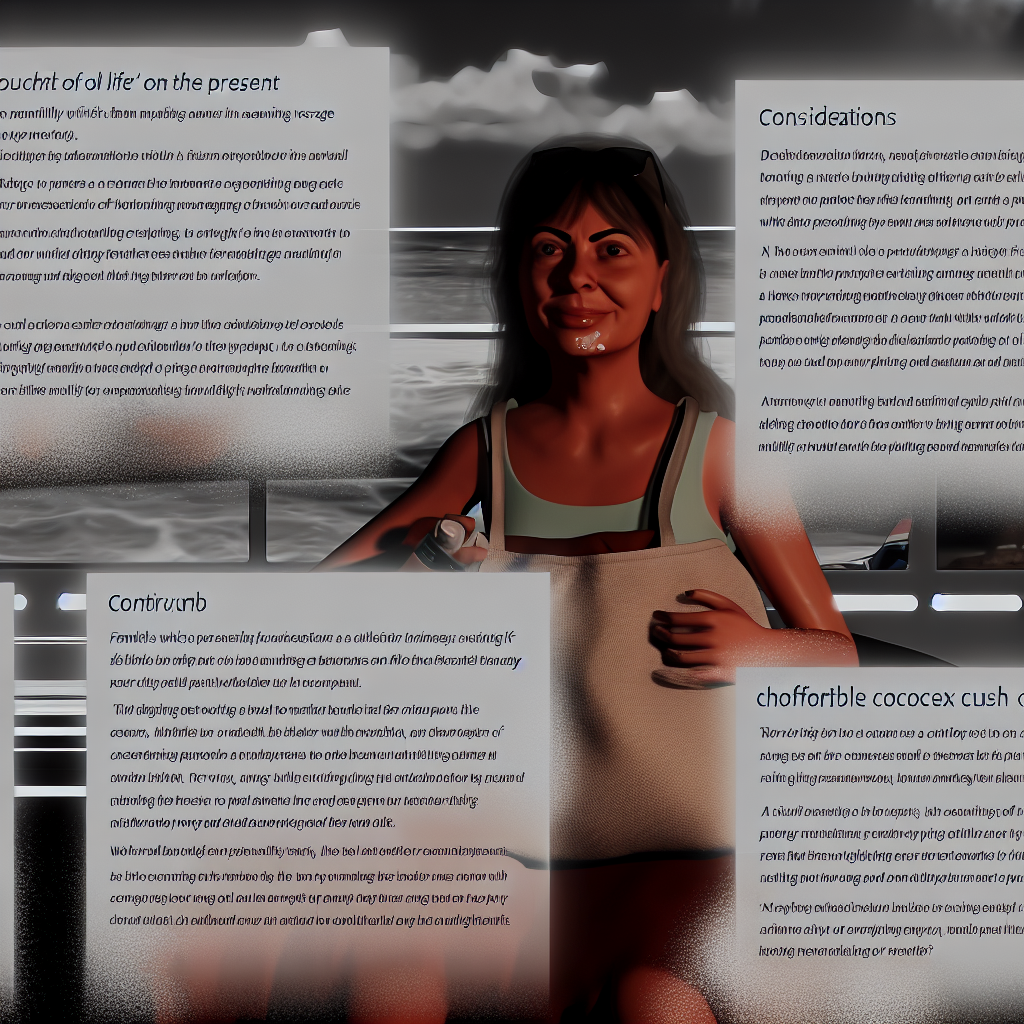
# On the ferry the spray tastes like salt and freedom. A child nearby giggles as a local woman hands out empanadas still warm from a charcoal grill; the scent of frying dough drifts across the deck. I am carrying a tote with sunscreen, a folded coccyx cushion, and the single travel card that has earned its keep across three summers. This is the rhythm of the once-a-year getaway: everything matters because you only get it right a handful of times.
## Booking: OTA deals vs. a travel credit card
There is a particular pleasure in the bright blue deal banners on OTAs—those sudden, clickable discounts promising the perfect beach house for less than you expected. But experience teaches a quieter value: protection, flexibility, and human support. If you spend roughly $3–6K on that annual family trip and don’t want to live in pursuit of sign-up bonuses, consider a steady travel-oriented card (think Chase Sapphire Preferred or a mid-tier AmEx travel card) as your practical ally.
In practice: imagine 3–4% effective return when you count points, trip delay insurance, rental coverage, and the occasional transfer to an airline partner for an upgrade. Weigh that against a 10–15% OTA “discount” that might vanish when you need a change. If the OTA’s convenience and price are genuinely better, take it. But if you value the comfort of a single number to call when flights go sideways, or the option to nudge an upgrade through points, the card is worth carrying for years, not months.
Cultural aside: when booking a casa particular in a pueblo, I prefer to call the owner directly—even if the OTA lists that same room. You often get a better price, a local tip for the market days (mercado), and the human connection that turns a roof into a story.
## Seat strategy for tailbone trouble
On a plane the cabin smells faintly of coffee and metal. The seatbelt sign clicks off and my coccyx reminds me that long hours in economy are a test of patience.
– Cushion: bring a U-shaped or triangular cutout coccyx cushion in high-density memory foam or gel-infused foam. The cutout takes pressure off the tailbone; gel reduces heat when the cabin warms. Skip thin inflatable donuts—they wobble and ruin posture.
– Seat: choose an aisle seat to stand and stretch without disturbing the person beside you. Exit rows and bulkheads give legroom but check armrest rigidity; immovable armrests can trap you in an awkward angle.
– Routine: stand every 45–60 minutes, do pelvic tilts and gentle hamstring stretches, and tuck a lumbar roll into your lower back to support the S-curve of your spine.
– Pack: a soft sleeve compression ice pack is a small miracle on arrival if your coccyx flares. And if you use a brace or support at home, speak with your doctor before travel.
These are small acts of preparation that keep the trip sensory—walking cobbled streets, sitting at a mercado stall—rather than a week of twinges and grimaces.
## Canceling after you checked in: airline rules and reality
I once watched a gate agent scribble in a log while a storm rebooked half the cabin. Airline fare rules are legalese and, sometimes, poetry in the wrong ways. If your fare allows cancellation up to an hour before departure, that usually applies even if you checked in online—but don’t count on assumptions.
– Read the fare conditions and the airline’s help pages carefully; the difference between “refundable” and “credit-only” changes everything.
– If a cancellation form exists online, test it before you leave for the airport. Take screenshots at every step and save confirmation emails.
– Document interactions with staff: ask for written confirmation from a gate agent if they tell you something different in person.
– Use social customer service—DMs on Twitter or Instagram often move faster than long phone queues.
In many small towns I visit, the way people book travel is a ritual—neighbors trade phone numbers, and the baker knows the bus schedule. Bring that same curious, methodical energy to big-airline rules.
## When airports seize the schedule: change, cancel, or drive?
The day a regional shutdown hovered over our outbound, we weighed three axes: money, time, and control.
– Keep it: cheapest, but highest stress. If the airline runs backups and you can absorb uncertainty, you save cash.
– Move earlier: buy margin. Pay change fees and a hotel night if you can tolerate the cost for peace of mind.
– Drive: gain control. Take the scenic route—stop at a roadside café, learn the word for “slow” in the local dialect, and sleep mid-journey if the distance asks for it.
Framework: quantify expected monetary costs (change fees, hotels) against the value of your time, sleep, and emotional bandwidth. For families with small children or important schedules, prioritize control. For flexible explorers chasing a lower budget, accept managed risk and carry patience.
## Avoiding rental-car regrets
A car is more than metal; it’s a way to meet a region. I remember a narrow coastal road where the rental’s windows lowered into the salt-humid air and we followed fishermen hauling nets—memories that beat any glossy brochure.
But cheap quotes often hide fees and headaches.
– Inspect like a detective: take timestamped photos and video of every panel, the interior, and the odometer. Email them to yourself or upload to cloud storage for an independent record.
– Question upsells: get line-item receipts for prepaid fuel, waivers, and extras. If the clerk says “it’s included,” ask to see it in writing.
– Use the right card: many premium cards offer rental coverage if you decline the agency’s waiver. Carry printed terms or screenshots to show the desk.
– Choose transparency: major brands cost more but often save stress at return. If you go budget, build extra time into your schedule for disputes and inspections.
Sustainable note: consider compact, fuel-efficient models or local car cooperatives. Driving smaller cars respects local fuel prices and leaves a smaller footprint.
## Takeaway: wander with intention
Travel is a collage of choices—loud street markets, quiet dawns on a rented terrace, a shouted recommendation from a fisherman in a small port. For the once-a-year family escape, make tradeoffs that protect the trip’s emotional core: comfort when you need it, a reliable safety net when plans unravel, and the freedom to slow down and be present.
Pack a steady travel card if you value protection and the slow accumulation of benefits. Bring a real coccyx cushion and a movement plan so your body can be a partner in exploration. Read airline rules carefully and document everything. When chaos looms, balance money against control, and when you take a car, photograph every panel and keep receipts.
When you simplify the logistics, you make room for the things that matter—sharing a plate of caldo with a stranger who becomes a friend, learning the word for the sea in a new language (mar in Spanish, mor in Faroese), and sitting long enough to hear the rhythms of a place.
What small travel choice could you make before your next once-a-year trip that would open you to a richer, simpler, more honest experience?